

PODCAST
Listen to the best conversations happening at Fuller Theological Seminary—drawn from lecture series, conferences, dialogues, panel discussions, special events, and more. Get a taste of the eclectic richness of Fuller’s intellectual and spiritual life.

PODCAST
Listen to the best conversations happening at Fuller Theological Seminary—drawn from lecture series, conferences, dialogues, panel discussions, special events, and more. Get a taste of the eclectic richness of Fuller’s intellectual and spiritual life.
PODCAST
FULLER curated is a podcast of the best conversations happening at Fuller Theological Seminary—drawn from lecture series, conferences, dialogues, panel discussions, special events, and more.
Richard Rohr discusses historical developments within the Protestant and Catholic churches, the limitations that come with black-and-white thinking, and how contemplative practice helps to expand our faith.
Madeleine L’Engle reflects on her life and the experiences that shaped her understanding of and relationship with God amidst the enormity of our universe.
Madeleine L’Engle reflects on her life and the experiences that shaped her understanding of and relationship with God amidst the enormity of our universe.
Brenda Salter McNeil preaches on the book of Esther, challenging our preconceived notions of who can be a leader.
James Cone preaches about his experience of discrimination and oppression growing up in Jim Crow Arkansas and about how his upbringing and faith influenced his theological pursuits.
Archibald Hart reflects on the societal pressures for success in our modern world and how to cultivate a healthy theology of failure.
Susannah Heschel explores historical attitudes regarding Jesus and his Jewish identity in 19th and 20th century Germany and highlights the impact of racism on understanding the person of Christ.
Brian McLaren speaks about the development and content of his 2010 book A New Kind of Christianity, reflecting on the opportunities for Christian transformation in the mid-2000s.
Peter L. Benson shares about his work on how to support children and families in healthy, positive growth and development.
Vicente Fox speaks about the sociopolitical changes in Latin America in the 20th century and how leadership focused on transformation and thriving can positively impact those living in the region.
Marianne Meye Thompson preaches on Jesus’ calling of the disciples in the book of Luke and what it means for us to be called by Christ.
Justo González preaches about the role of the Holy Spirit in the church and the importance of sharing the Spirit’s empowerment with others.
Ray Anderson preaches on Judas’s betrayal and the power of Christ’s forgiveness and redemption despite our shame, guilt, and remorse.
Candace Shields preaches on how our God-given differences serve as strengths rather than weaknesses when we come together to work as one.
Richard Mouw preaches on how a Mormon understanding of the New Jerusalem following Christ’s return can help Christians better conceive of the heavenly kingdom to come.
Archibald Hart preaches on the power of God’s forgiveness and how such a gift can lead to overflowing love toward our Lord and our neighbor.
Lauren Winner examines several myths about sex that have been perpetuated in the American church and provides biblically-based responses to such misconceptions.
Elizabeth Conde-Frazier reflects on how hospitality, vision, and curiosity facilitate encounters with those around us that allow us to hear each others’ stories and see the ways in which the Spirit is working in the world.
J. Alfred Smith calls us to awaken morally and spiritually in order to live actively in the world, drawing on the example of Martin Luther King Jr.
Glen Stassen preaches on the topic of shame, examining the events surrounding Christ’s crucifixion and how God is with us in the midst of our shame.
Marguerite Shuster reflects on the topics of permanence and transience, and considers how our Christian faith can stabilize and ground us amongst the changes that life brings.
Alexis Abernethy focuses on the book of Matthew, preaching about Jesus’ example to us as the embodiment of the gospel and God’s coming kingdom.
Walter Brueggemann reflects on the covenantal nature of our relationships with God and one another.
Richard Rohr preaches on the book of Acts and Christ’s call to be present and heal the suffering in the world.
Drawing from his 2008 book The Great Awakening, Jim Wallis preaches on the relationship between the American evangelical church and politics in the early 2000s.
Lisseth Rojas-Flores reflects on her experience of immigrating to the United States as she discusses the topic of the church’s responsibility to care for immigrants from all nations and backgrounds.
N. T. Wright discusses the importance of practice and discipline in the development of Christian virtues.
Ralph Watkins reflects on the future directions of leadership, theology, and seminary training within the African American church.
Max De Pree reflects on how his Christian faith informs his approach to leadership in business and the marketplace.
Margo Houts and David Scholer discuss their experiences of women’s ministry roles in the latter half of the 20th century.
Ian Pitt-Watson preaches about the history of the Samaritans and challenges the church to love, to recognize the goodness in, and to learn from the neighbors around us.
George Eldon Ladd speaks a message about the church’s mission: to preach the gospel in all the world.
John A. Sims shares about Fuller Seminary’s second president, Edward John Carnell, his belief in reforming Evangelicalism, and his influence on shaping the seminary’s character.
David Allan Hubbard takes a deep dive into Fuller’s history of becoming a leading institution in a new evangelical movement—with its commitment to ecumenism and to the church at large.
David Allan Hubbard surveys the history of Fuller Theological Seminary and reflects on the school’s formative figures and its key values.
In this 1947 convocational address, delivered on the first day of classes at Fuller Theological Seminary, Harold Ockenga speaks about the world’s need for Christian leaders.
In a conversation moderated by Amos Yong, Warren Brown and Brad Strawn discuss the dynamics of extended cognition in embodied religious experiences, practices, and communities
In a conversation moderated by Amos Yong, Warren Brown and Brad Strawn discuss the dynamics of extended cognition in embodied religious experiences, practices, and communities
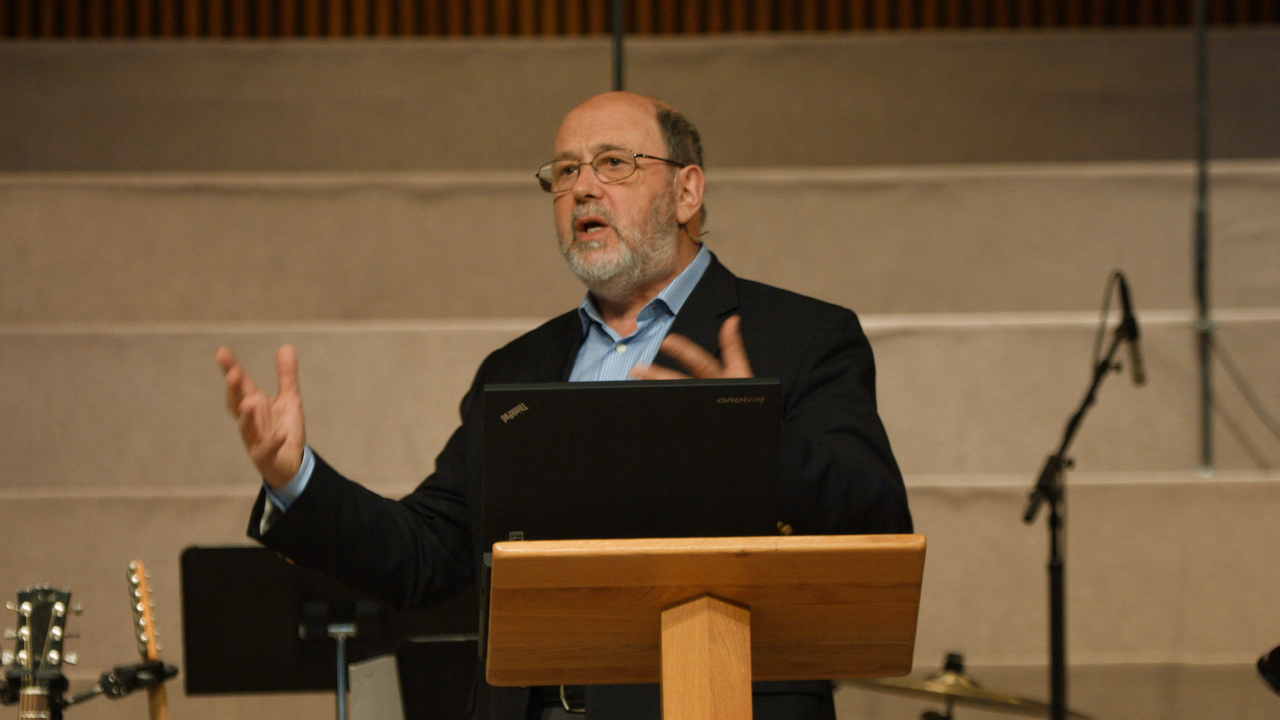
In his lecture “The One Triune God Amidst Religious Pluralism, Clashing Kingdoms, and Prevalent Evil” delivered at the 2014 Fuller Forum, N. T. Wright, New Testament scholar and former bishop of Durham, considered Paul’s Trinitarian theology, which involves high Christology, robust monotheism, and ecclesial unity.
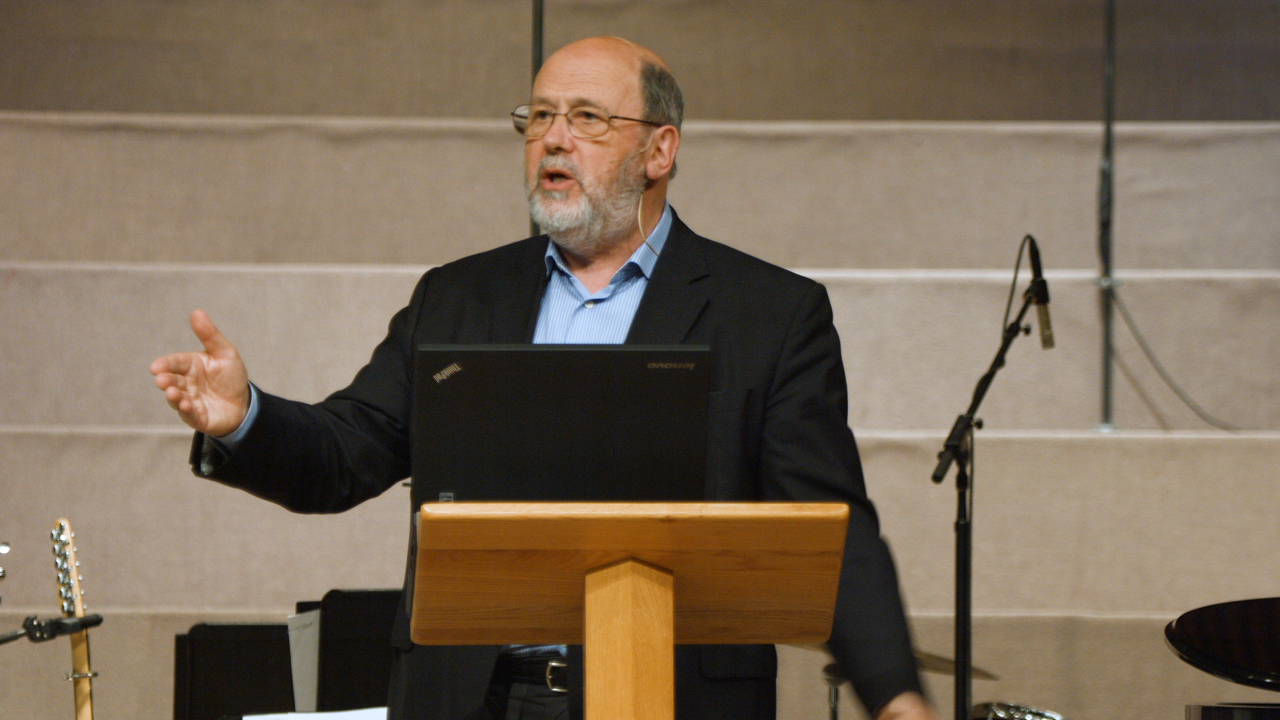
In his lecture “Who Are the People of God?” delivered at the 2014 Fuller Forum, N. T. Wright, New Testament scholar and former bishop of Durham, presented on Paul’s understanding of the Messiah as the fulfillment of God’s covenant with Israel—and what that means for God’s people today.
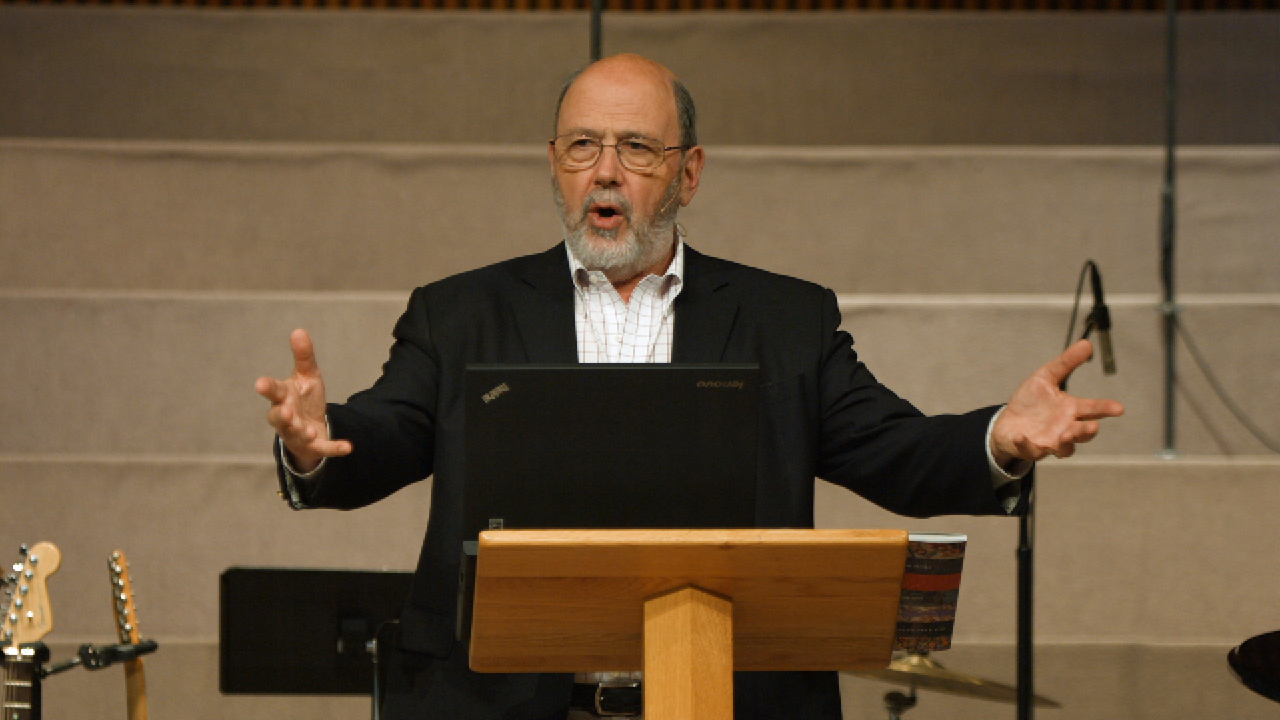
In his lecture “What is God’s Future for the World?” delivered at the 2014 Fuller Forum, N. T. Wright, New Testament scholar and former bishop of Durham, delved into Pauline eschatology—a vision not of people leaving the world but of God making the world right.
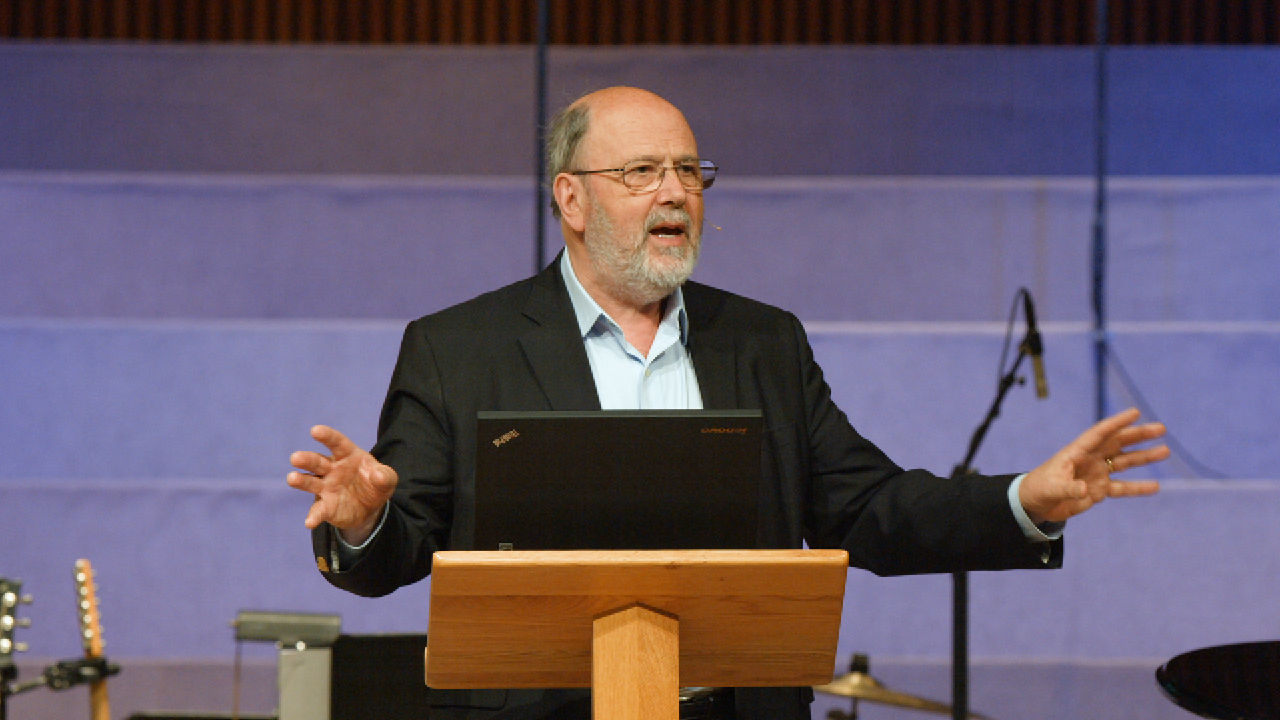
In his lecture “Paul and the Faithfulness of God” delivered at the 2014 Fuller Forum, N. T. Wright, New Testament scholar and former bishop of Durham, explored Paul’s message of the Gospel as one of a holistically transformative and utterly new way of living, thinking, and worshiping.
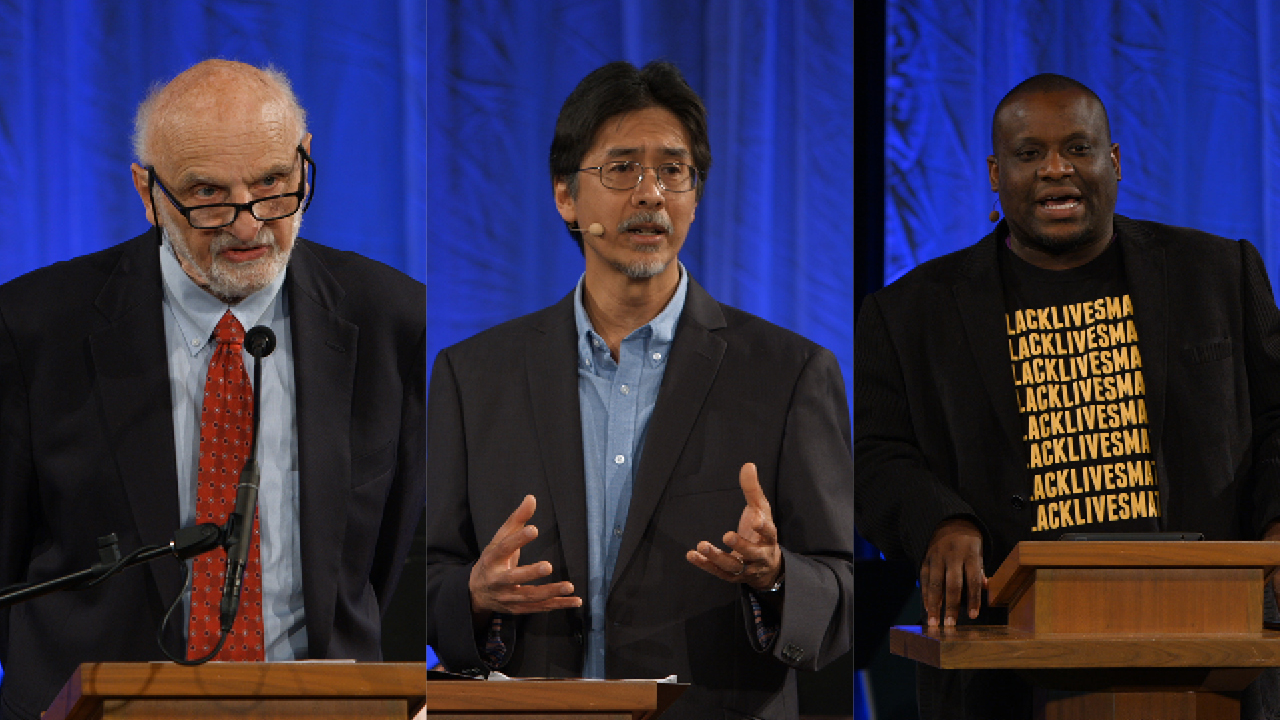
In their lectures delivered at the 2015 Fuller Forum, Walter Brueggemann, renowned author and Old Testament scholar, presented the law of Yahweh not as static and totalizing but as an ongoing conversation between God and God’s people; Cameron Lee, professor of marriage and family studies, explained how neighborliness has developmental roots in early family relationships, and how this has implications for the ministry and life of the church; and Michael McBride, pastor of The Way Christian Center, talked about the role the church has to advocate for and participate in movements of racial justice, particularly by redeeming broken systems.
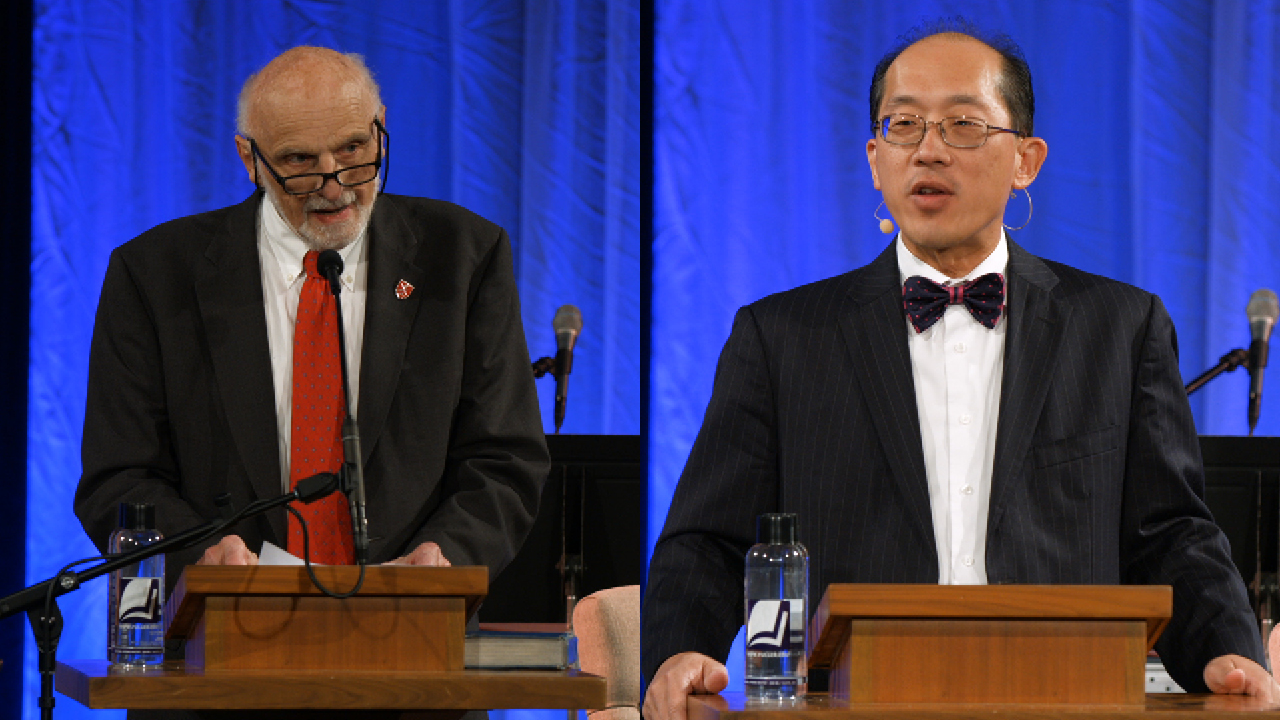
In their lectures delivered at the 2015 Fuller Forum, Walter Brueggemann, renowned author and Old Testament scholar, explored God’s restorative grace and the ways it necessitates and energizes the restored community’s witness, worship, and work of justice; and Amos Yong, Dean of the School of Theology and School of Intercultural Studies, reflected on the Holy Spirit’s work of reconciliation between God and creation, and of bridging the divisions between people and communities.
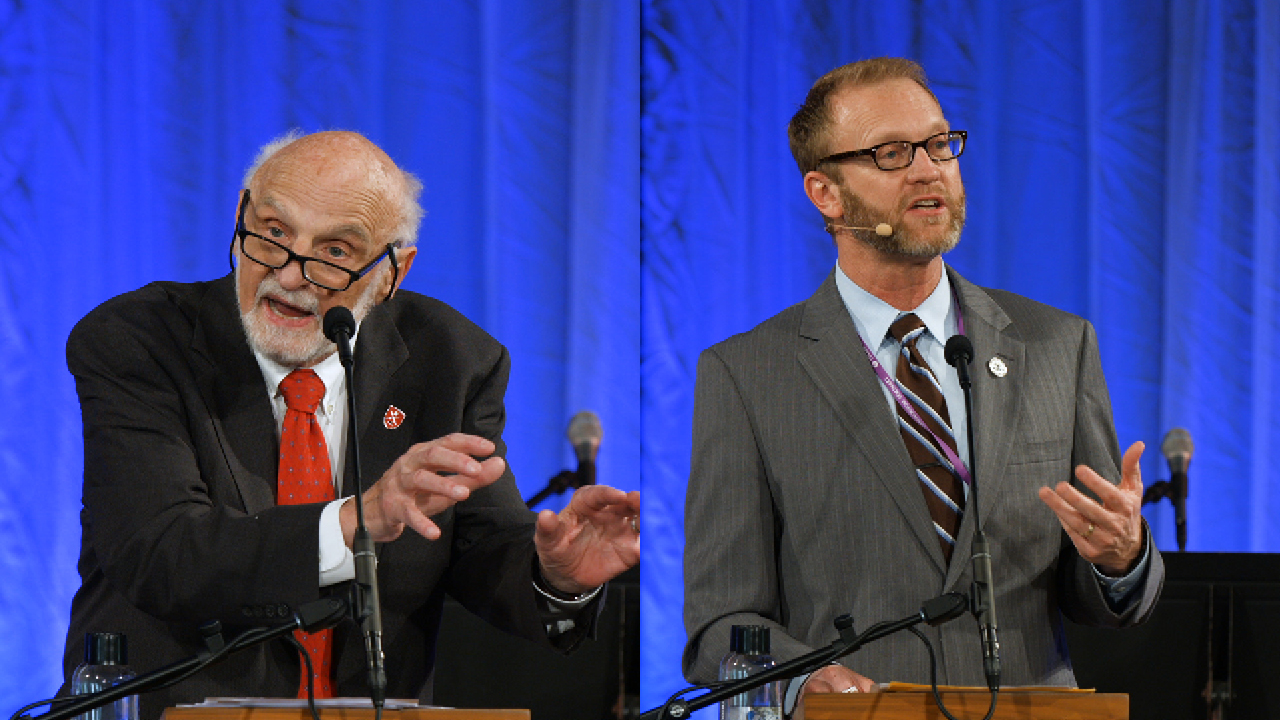
In their lectures delivered at the 2015 Fuller Forum, Walter Brueggemann, renowned author and Old Testament scholar, presented the idea of two kinds of justices—predatory justice from above and transformative justice from below—and contended that the Bible depicts a contestation between both; and Brad Strawn, Everlyn and Frank Freed Professor of the Integration of Psychology, spoke to how the acts of confession and truth-telling bring healing not only to individuals but to the world.
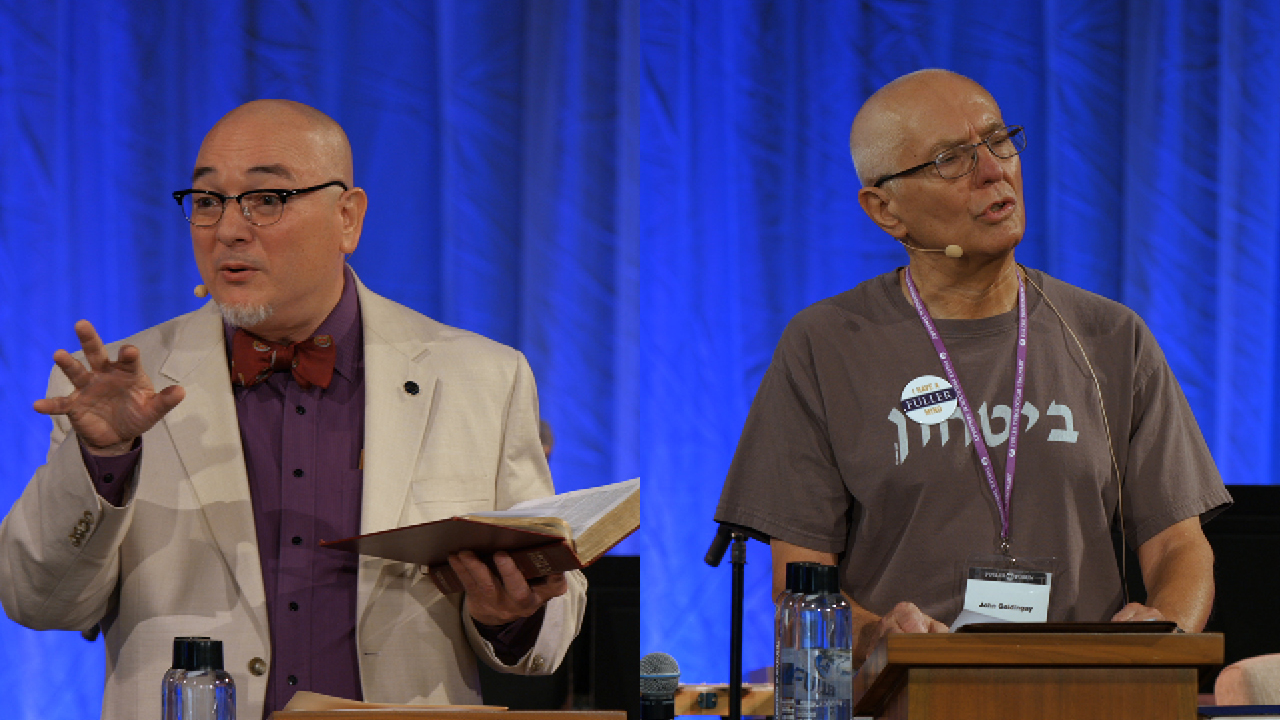
In their lectures delivered at the 2015 Fuller Forum, Johnny Ramírez-Johnson, professor of anthropology and profesor del Centro Latino, reflected on how the divine command to keep the Sabbath is tied to every dimension of Christian life and community; and John Goldingay, David Allan Hubbard Professor Emeritus of Old Testament, spoke about the need to pray on behalf of the oppressed and how the Psalms help us do so.
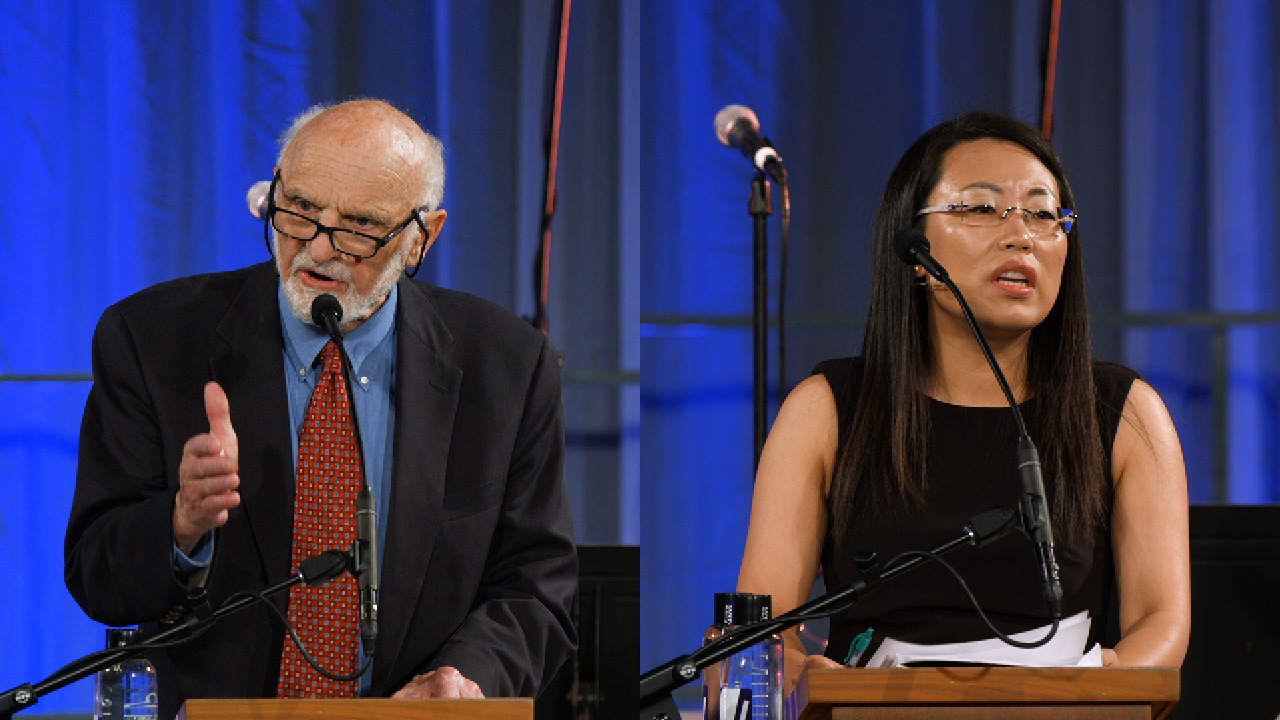
In their lectures delivered at the 2015 Fuller Forum, Walter Brueggemann, renowned author and Old Testament scholar, spoke about God being a dialogic partner actively engaged with his people, and how this relationality shapes our understanding of God’s justice, grace, and law; and Kyong-Jin Lee, associate professor of Old Testament Studies, considered the need for new ethical frameworks amidst the shifting powers and advances of globalism.
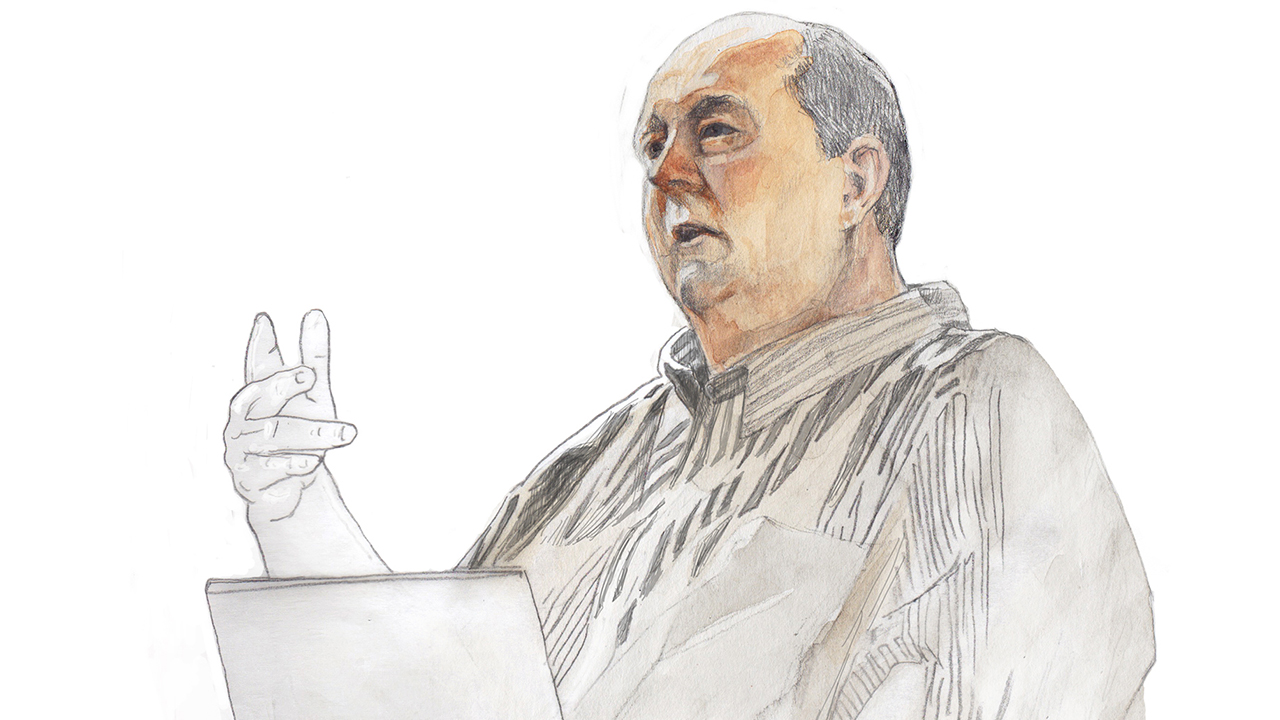
In this “Last Lecture” address to Fuller’s Science, Theology, and Religion Student Group, Joel B. Green, professor of New Testament Interpretation and associate dean for the Center for Advanced Theological Studies, speaks about reading the Bible with a scientific perspective and the formative role of scripture.
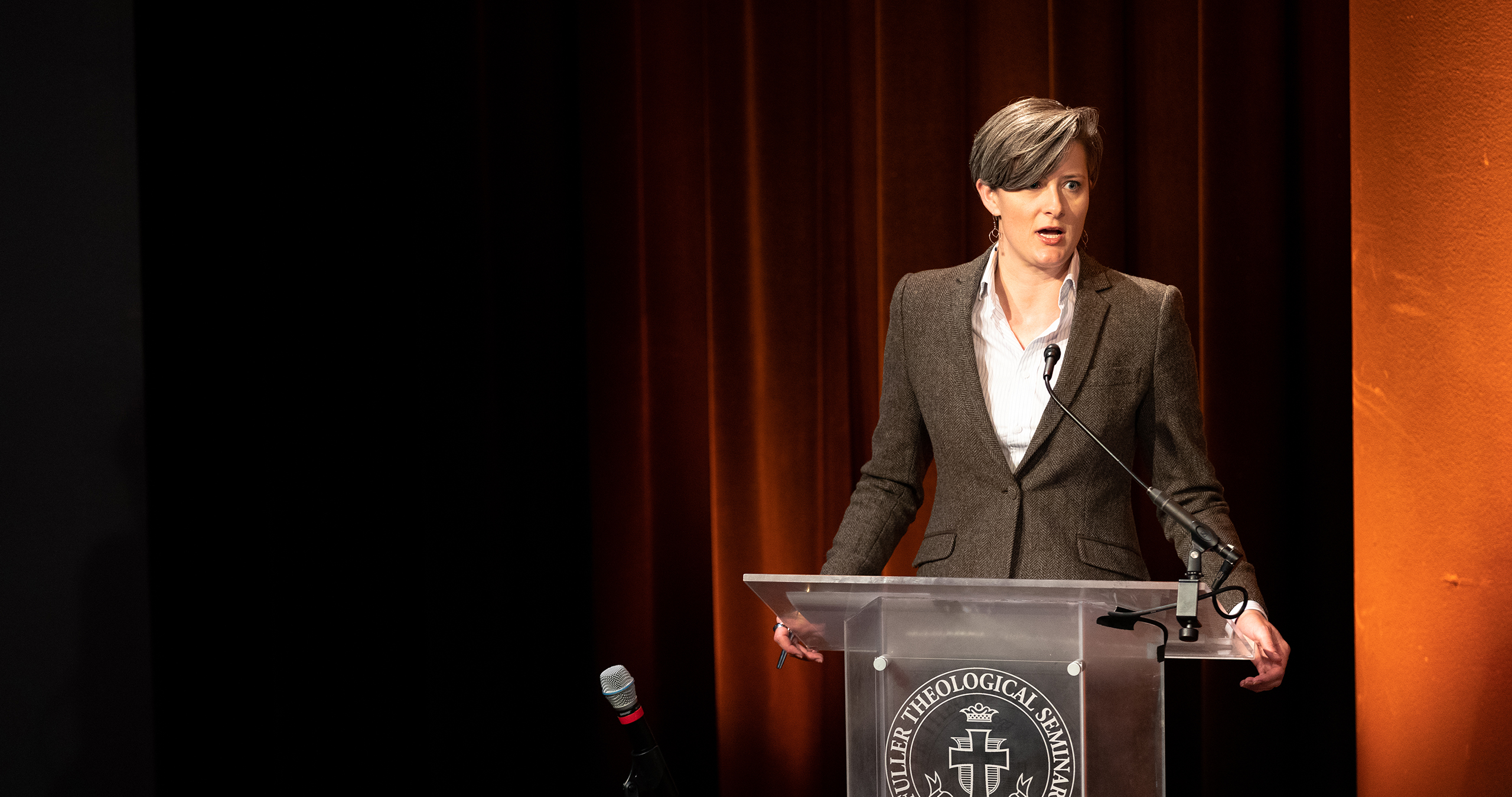
Considering what the Bible has to say about migration, Biblical scholars and experts gathered to discuss today’s migration crisis and the church’s response.
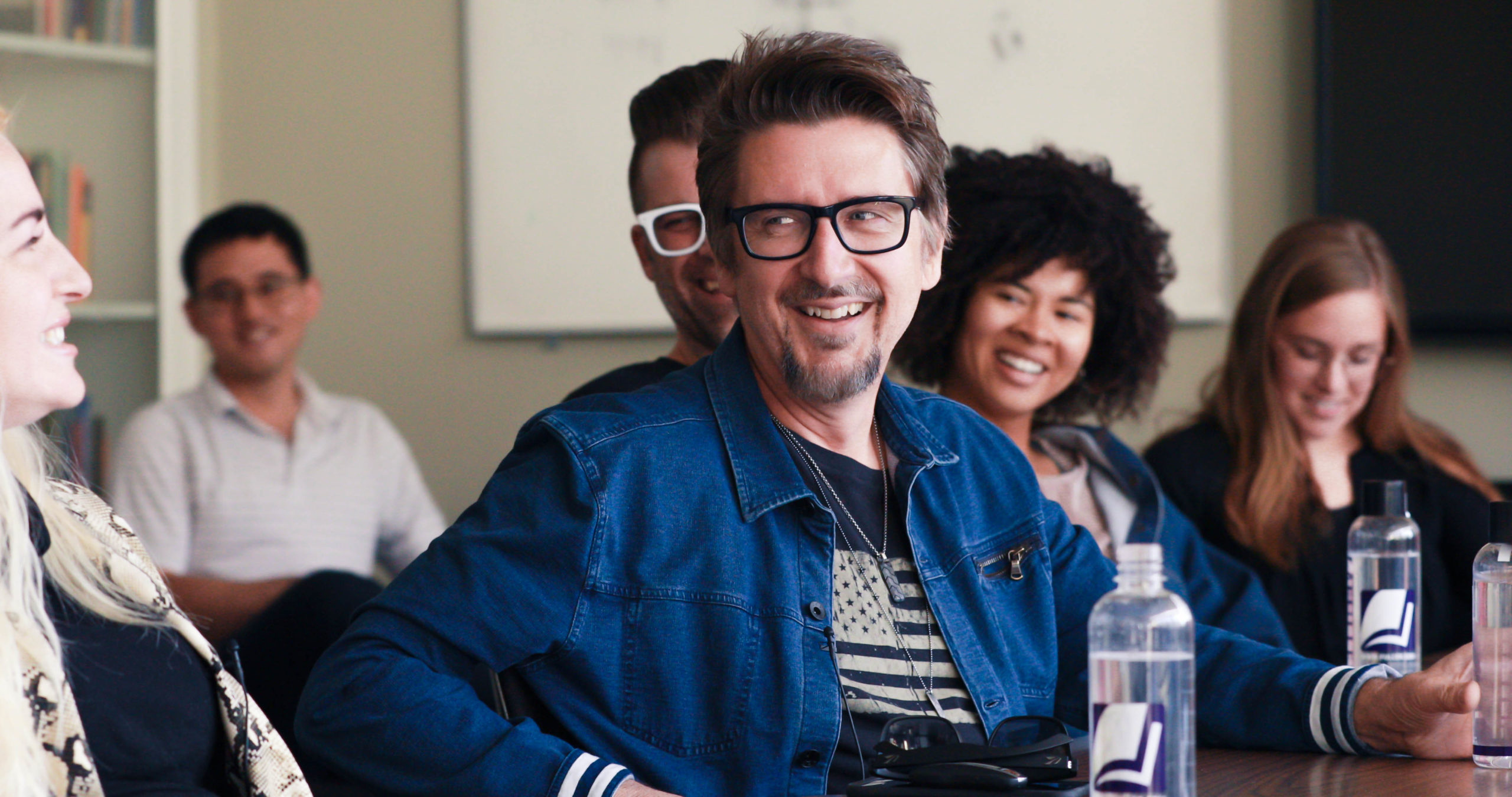
Scott Derrickson, director and screenwriter of The Exorcism of Emily Rose and Doctor Strange, has a conversation about storytelling, the horror genre, and the creative process.
Fuller faculty, along with scholars from various faith traditions, gather for a roundtable discussion on how technology impacts religious literacy, human connection, and interfaith dialogue.
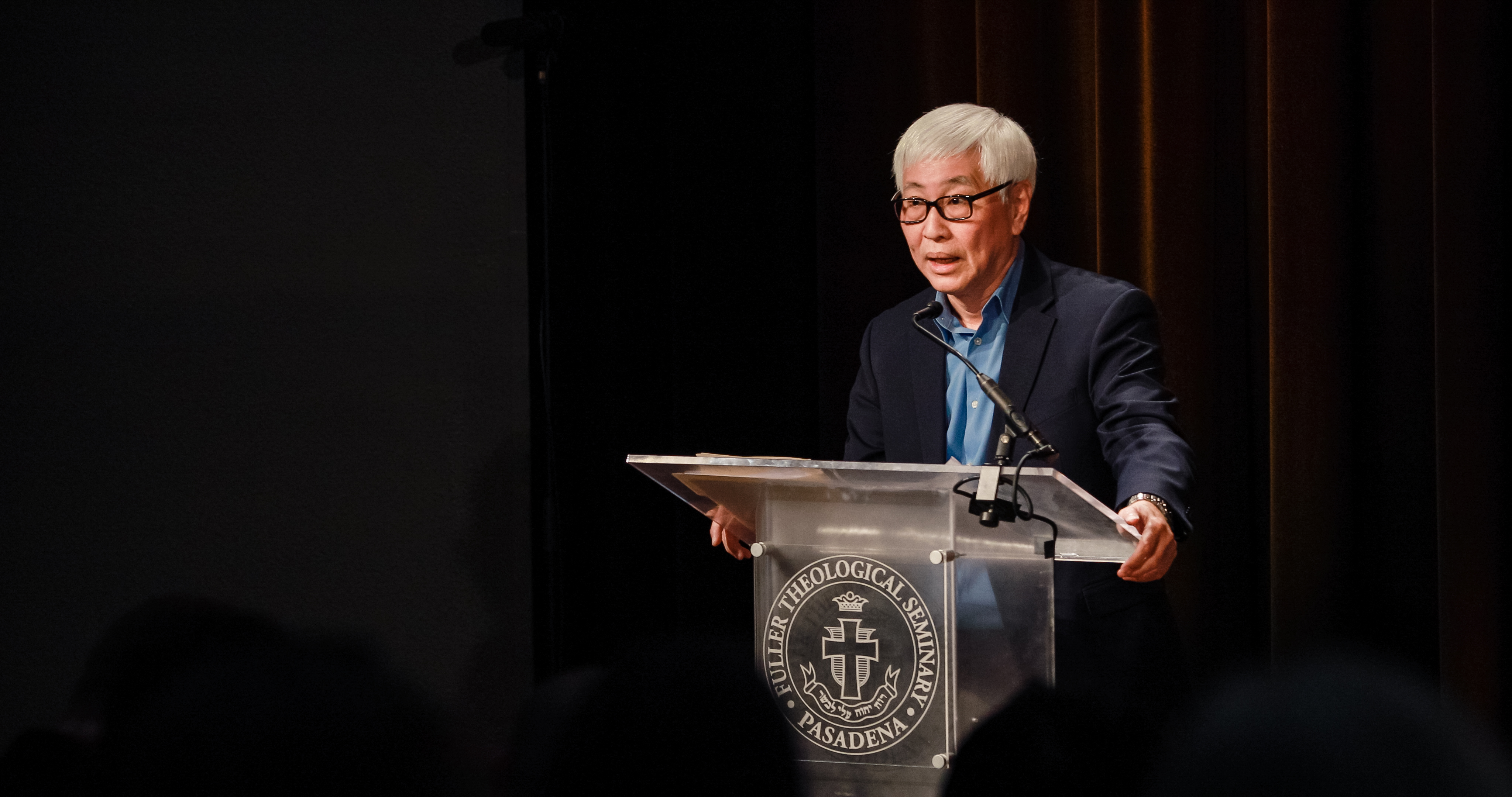
Siang-Yang Tan, professor of psychology, responds to Carol A. Newsom’s lecture by considering the ideas of self through the lenses of psychotherapy and Eastern contemplative traditions.
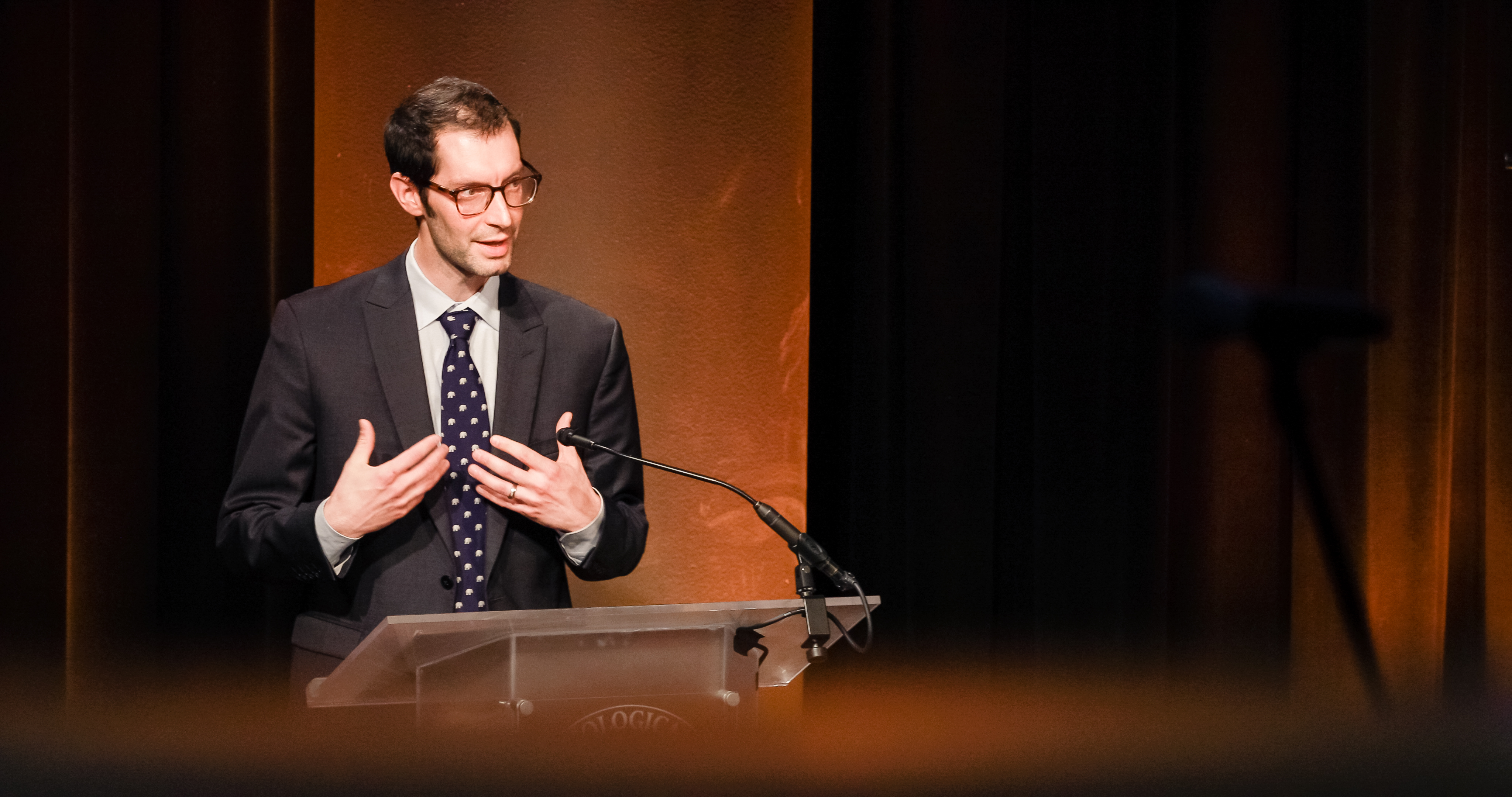
Chris Blumhofer, visiting assistant professor of New Testament, poses the question of how Carol A. Newsom’s lectures inform our reading of the New Testament, and particularly the Pauline epistles.
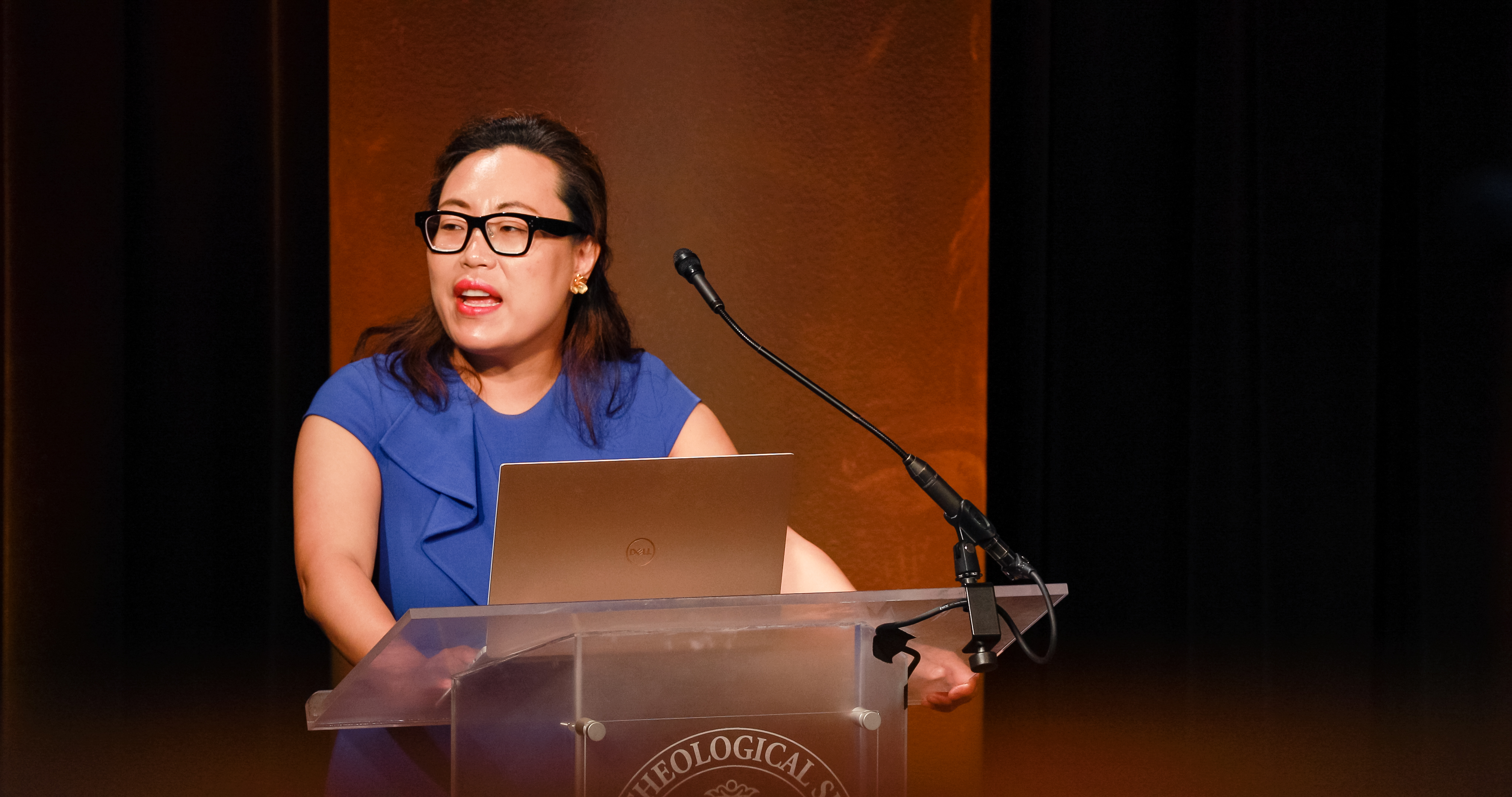
Kyong-Jin Lee, associate professor of Old Testament, responds to Carol A. Newsom’s lecture, considering how modern beliefs of the self shape societies.
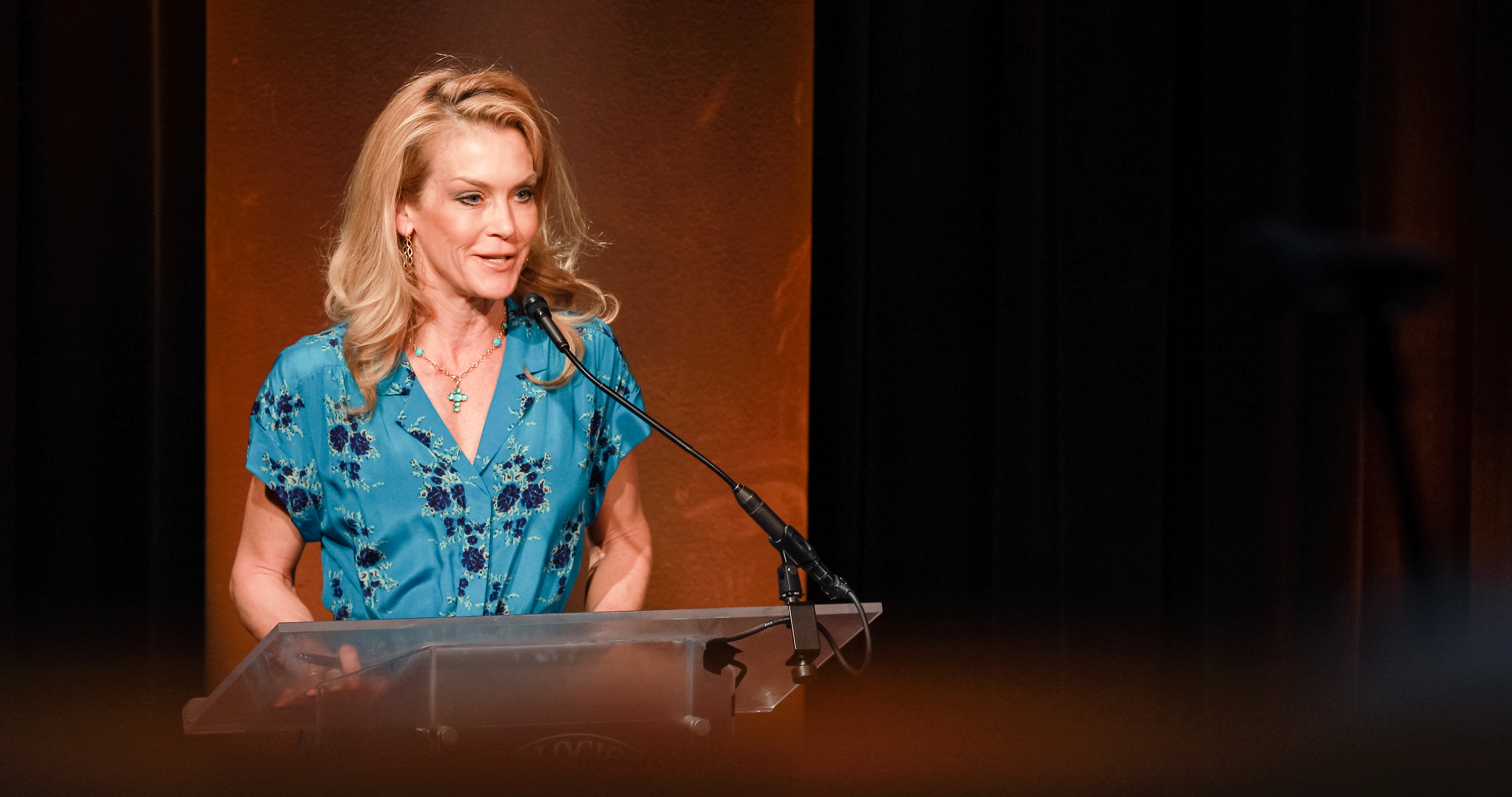
Pamela Ebstyne King, responds to Carol A. Newsom’s lecture, speaking on the psychological transformation that happens through vulnerability and dependence on God.
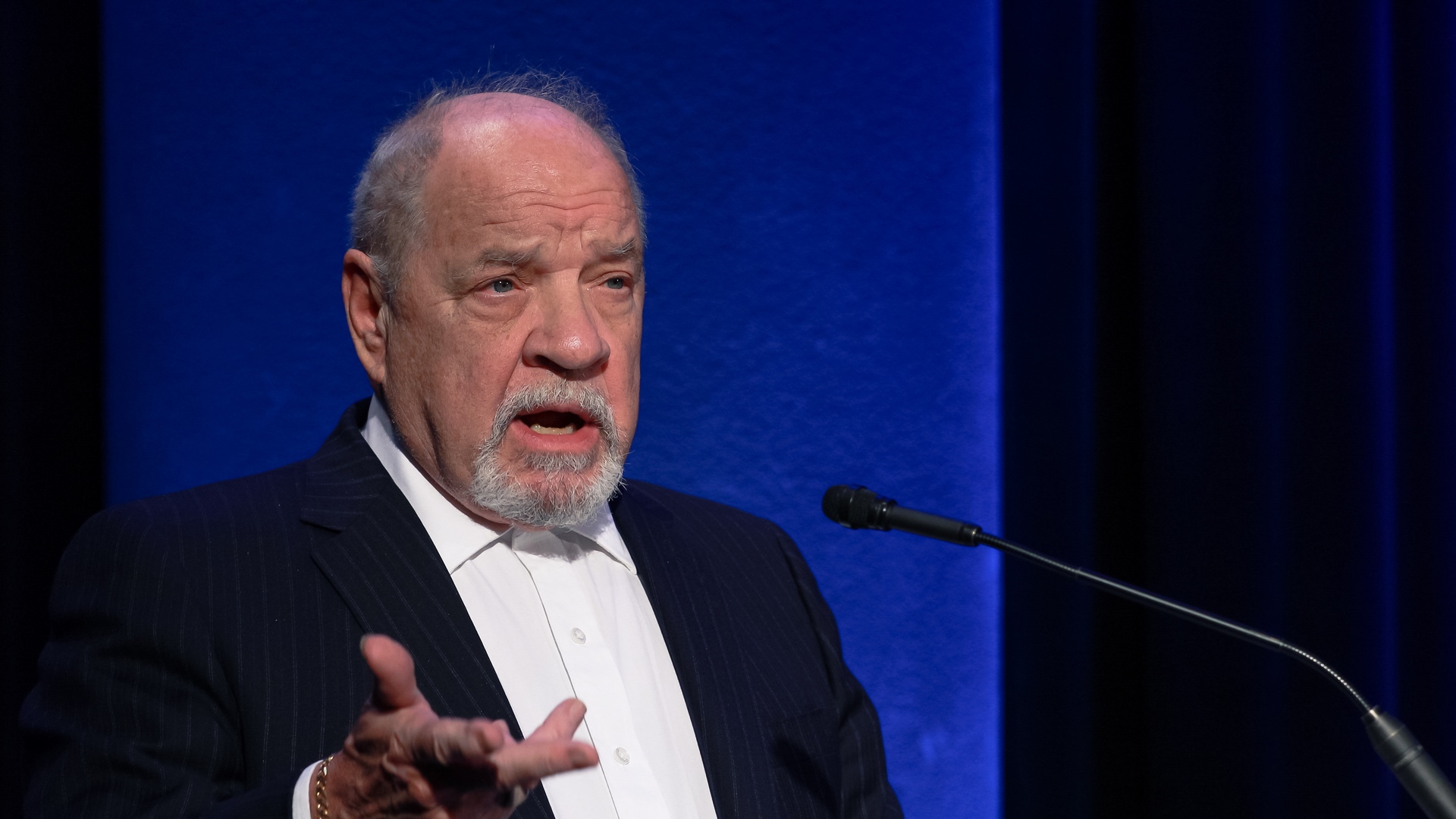
Award-winning screenwriter and director Paul Schrader revisits “Transcendental Style in Film” with Robert K. Johnson, professor of theology and culture, and President Emeritus Richard Mouw.
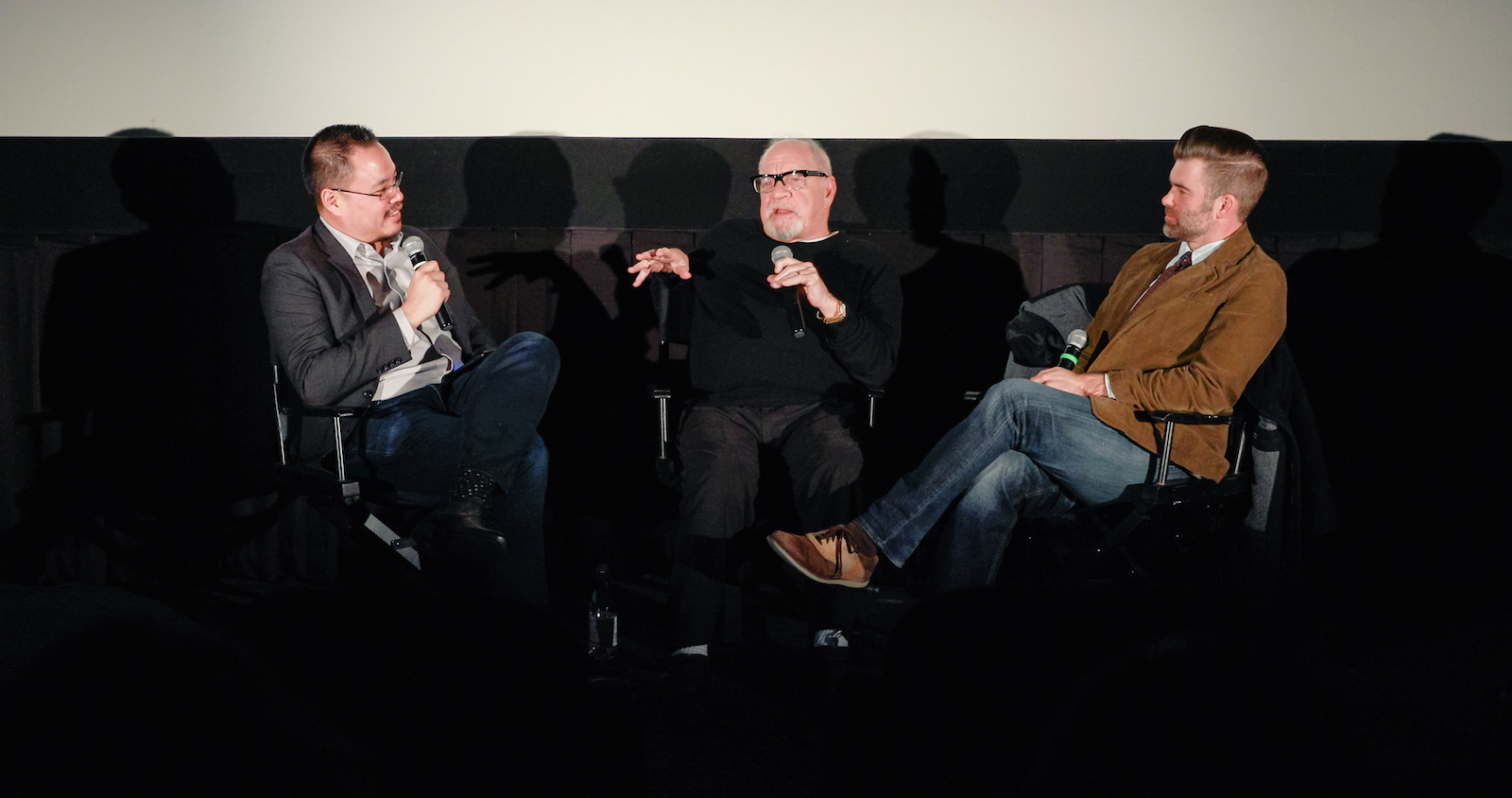
Award-winning screenwriter and director Paul Schrader discusses faith and trauma with Kutter Callaway, assistant professor of theology and culture, and LA Times film critic Justin Chang.
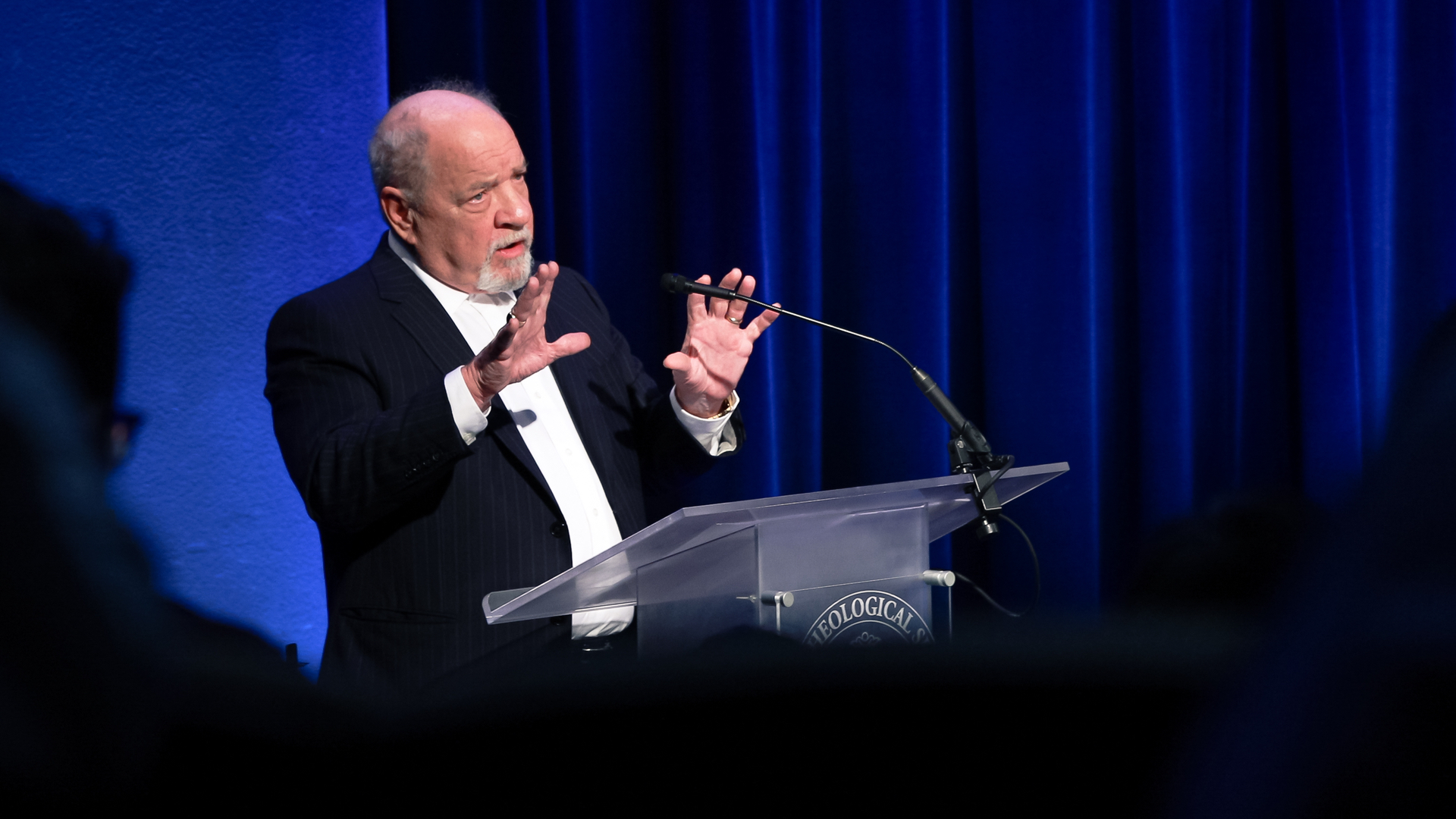
Award-winning director Paul Schrader reflects with a community of scholars on film and spirituality, transcendental style, and more.
In this featured podcast, Irene Cho is joined by worship leaders Angie Hong, SueAnn Shiah, and Julie Tai to discuss Asian American worship—what it looks like, where it starts, and what its future is.
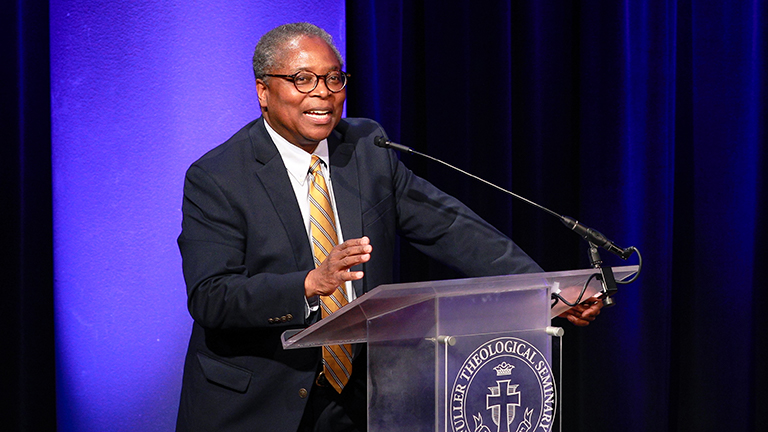
Dwight N. Hopkins, the Alexander Campbell Professor of Theology at the University of Chicago Divinity School, lectures on the tangible lessons from Martin Luther King Jr.
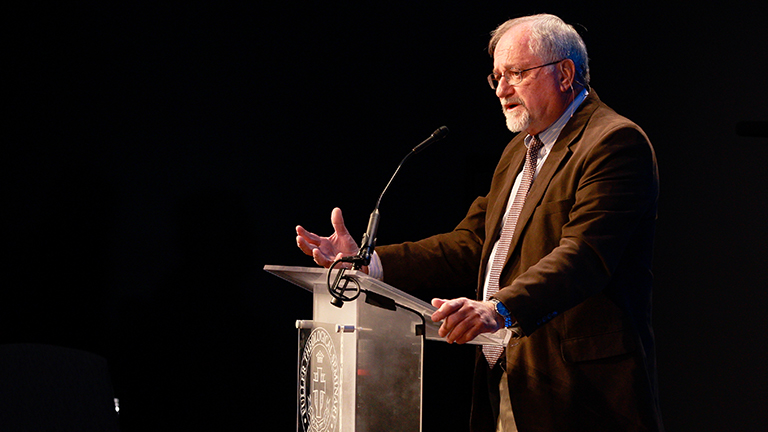
Peter C. Hill, professor of psychology at Biola University’s Rosemead School of Psychology, considers the ways the virtues of humility and gratitude affect everyday human life.
Peter C. Hill, professor of psychology at Biola University’s Rosemead School of Psychology, explores the question of how grace shapes the ordinary human experience.
Peter C. Hill, professor of psychology at Biola University’s Rosemead School of Psychology, lectures on the extent to which faith and religious experience impact ordinary everyday life.
Dr. Vincent Lloyd, associate professor of theology and religious studies at Villanova University, addresses the role of negative theology in Dr. Martin Luther King Jr.’s thinking.
Megan Meyers, adjunct professor of global arts and world religions at Fuller Seminary, lectures on the emergence of hip hop in African youth culture and how churches employ music for witness.
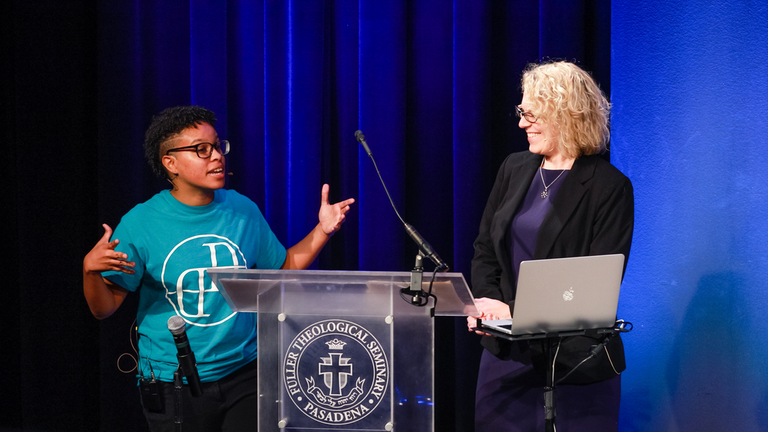
Michelle Voss Roberts, professor of theology at Emmanuel College, and Hip Hop artist Demi McCory explore Dalit spirituality, Hip Hop, and a gospel of liberation.
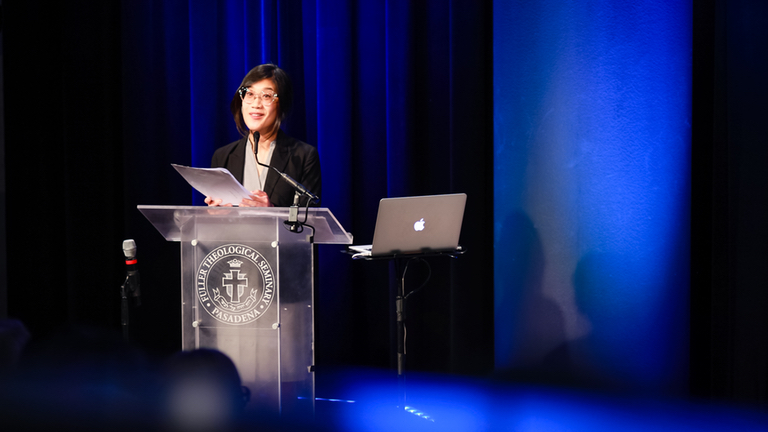
Joyce Lee, assistant professor of digital media at Marist College, lectures on commercial and political forces shaping contemporary art in China and implications for the Christian church.
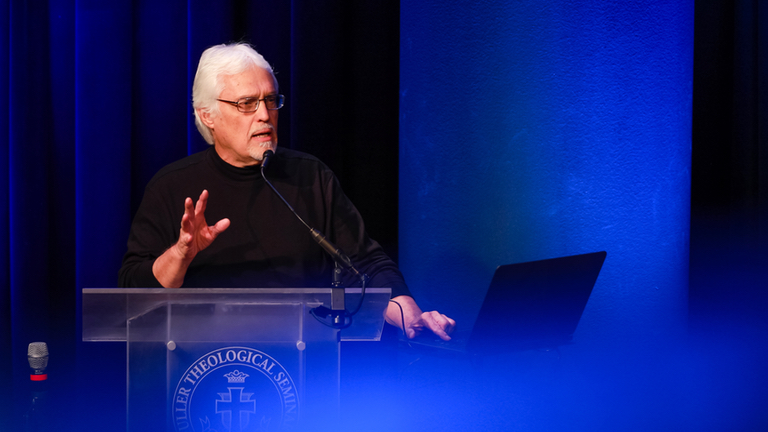
James Krabill, senior mission advocate of the Mennonite Mission Network, explores historic approaches of Western mission, indigenous faith communities, and how churches today navigate these issues.
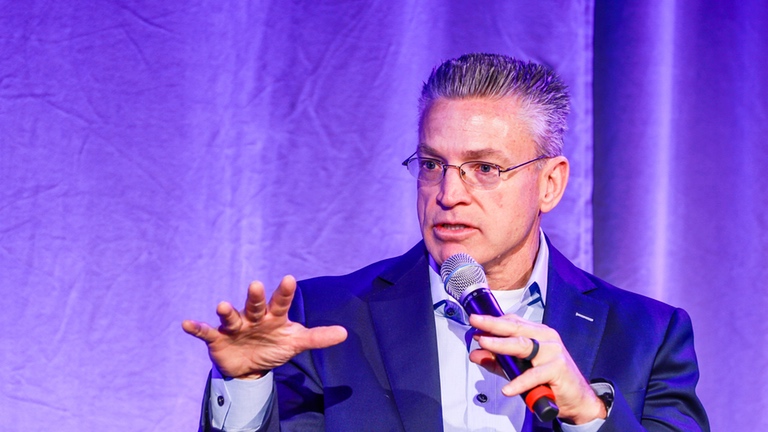
Gary Haugen, founder and CEO of International Justice Mission, reflects on Martin Luther King Jr.’s famous dream, considers the ways fear can hinder leadership, and shares how to be courageous leaders.
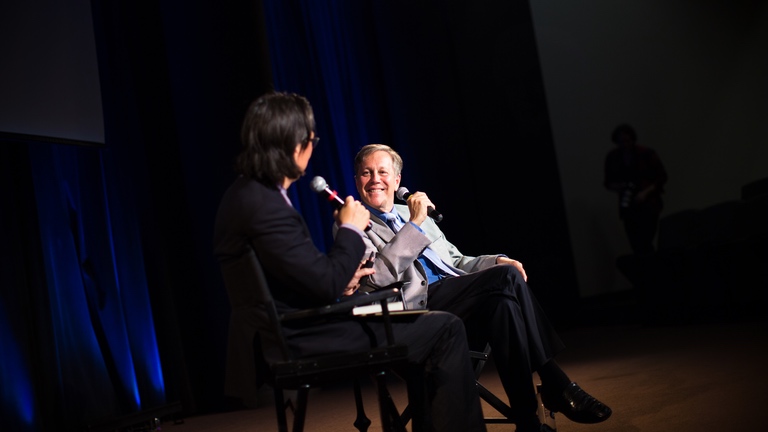
Dana Gioia, the poet laureate of California, discusses his time as director of the National Endowment for the Arts, recites poetry, and considers culture care and poetry.
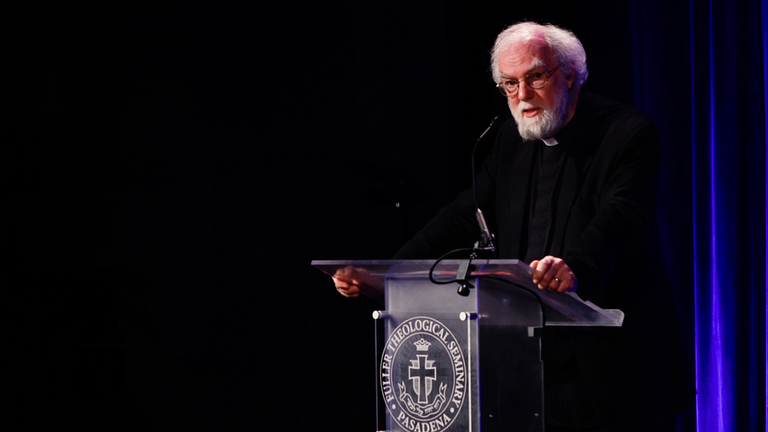
The Right Reverend Rowan Williams, 104th Archbishop of Canterbury, lectures on the intersection of political discourse and theology and the role of the church to establish human personhood.
The Right Reverend Rowan Williams, 104th Archbishop of Canterbury, lectures on the complex—and often fraught—overlap between the political language of “human rights” and a theology of human personhood.

Christena Cleveland reflects on the freedom of singleness, kinship, and the unique gifts single people can give to the church and society.
Christena Cleveland, associate professor of the practice of organizational studies at Duke University’s Divinity School, develops a theological affirmation of singleness in the American church.
Fuller faculty from the schools psychology, theology, and intercultural studies offer their reflections on emerging adulthood, thriving, and the gift of children.
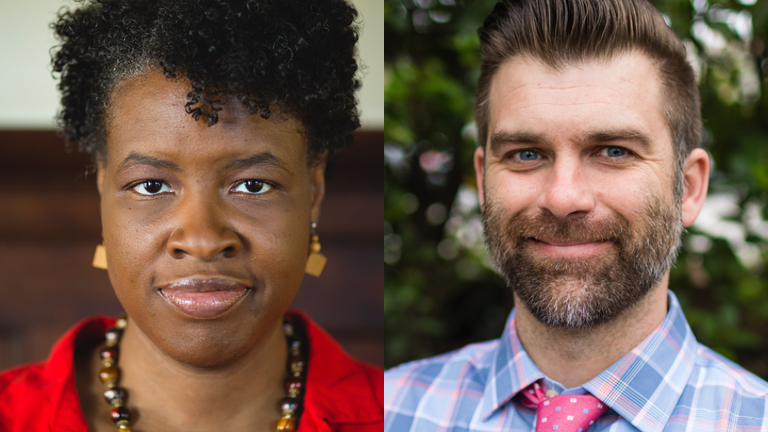
Filmmaker and Fuller alum Avril Speaks and Kutter Callaway, assistant professor of theology and culture, explore race, theology, and the Netflix Marvel series Luke Cage.
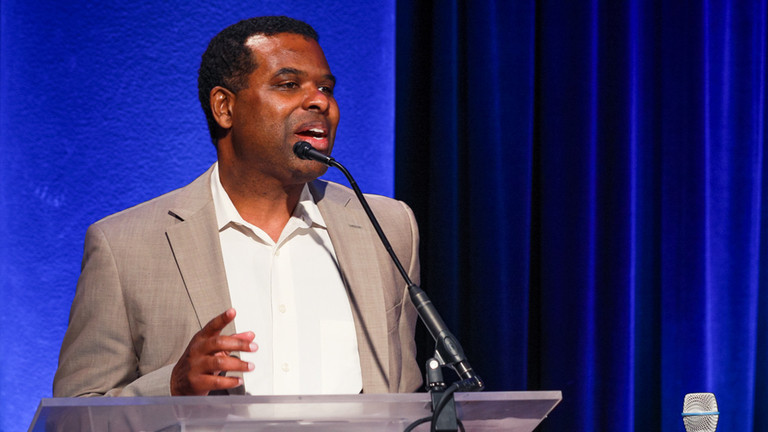
Ivan Penn, alternative energy reporter for the New York Times, reflects on justice, truth-telling and ethics, and the risks he has faced standing against a culture of greed and power in a public forum.
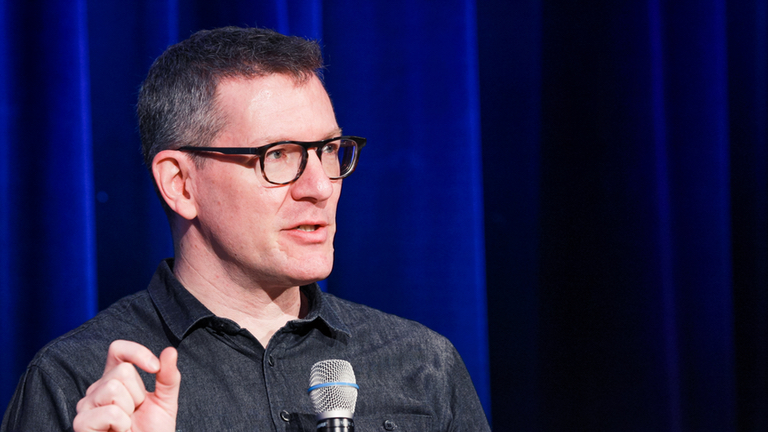
Andy Crouch, author and Fuller trustee, lectures on the intersection of culture care and the Shema, reflecting on the biblical vision of the complex interconnected reality of personhood and culture.
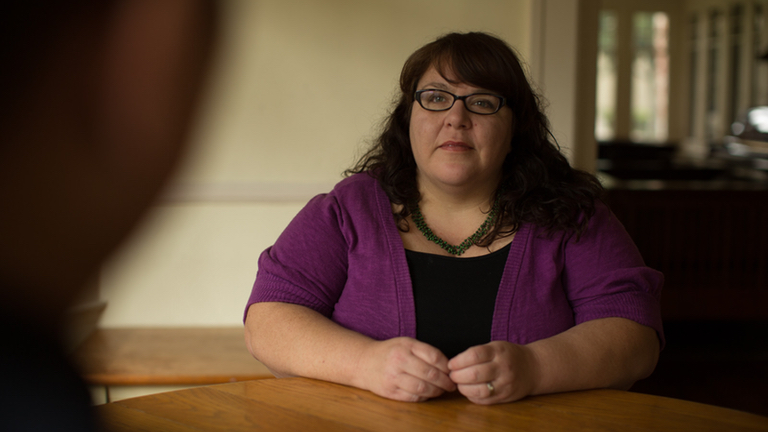
Bethany McKinney Fox, adjunct professor of Christian ethics, interviews Shane Clifton, a theology professor with quadriplegia, in a wide-ranging discussion about health and healing.
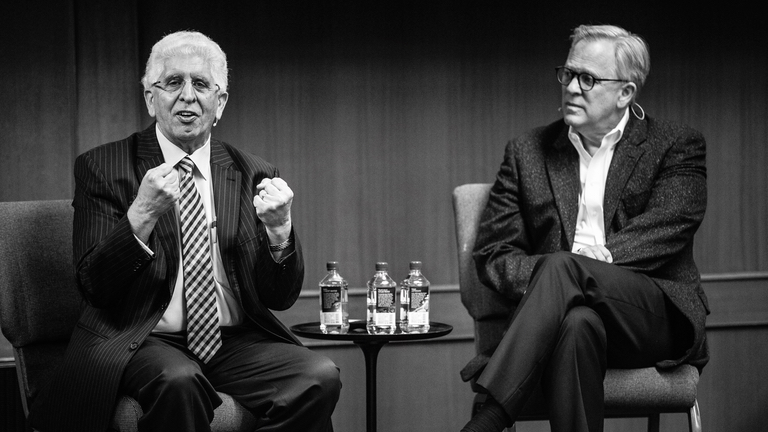
Alex Awad, pastor and dean of students at Bethlehem Bible College, lectures on biblical resources for justice and reasons why Christians should be committed to peacemaking in the Middle East.
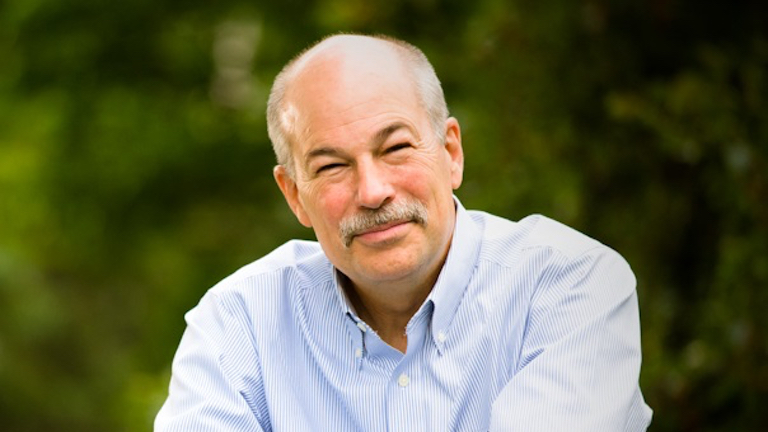
Alec Hill, president emeritus of Intervarsity Christian Fellowship, reflects on how a cancer diagnosis has impacted his relationship with God and changed the ways he reads scripture.
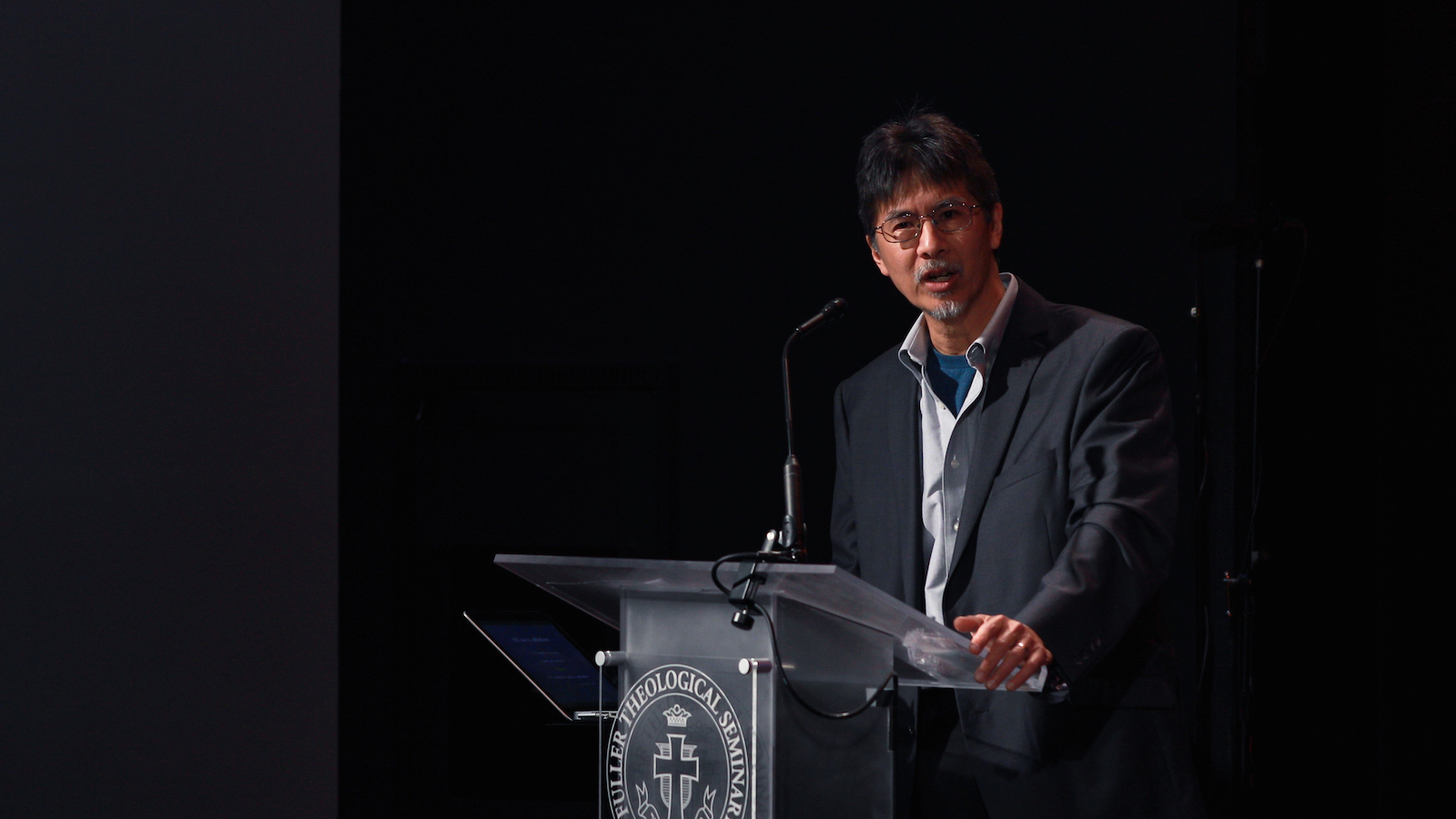
Cameron Lee, professor of marriage and family studies, lectures on on compassion’s power to help therapists connect with clients and Sabbath rest as “a function of therapeutic restoration”
Cameron Lee, professor of marriage and family studies, lectures on developing imaginations shaped by Christian virtues of hope beyond suffering and an openness toward change.
Cameron Lee, professor of marriage and family studies, lectures on the complexities of integrating psychology and theology, the narratives that shape our choices, and shalom.
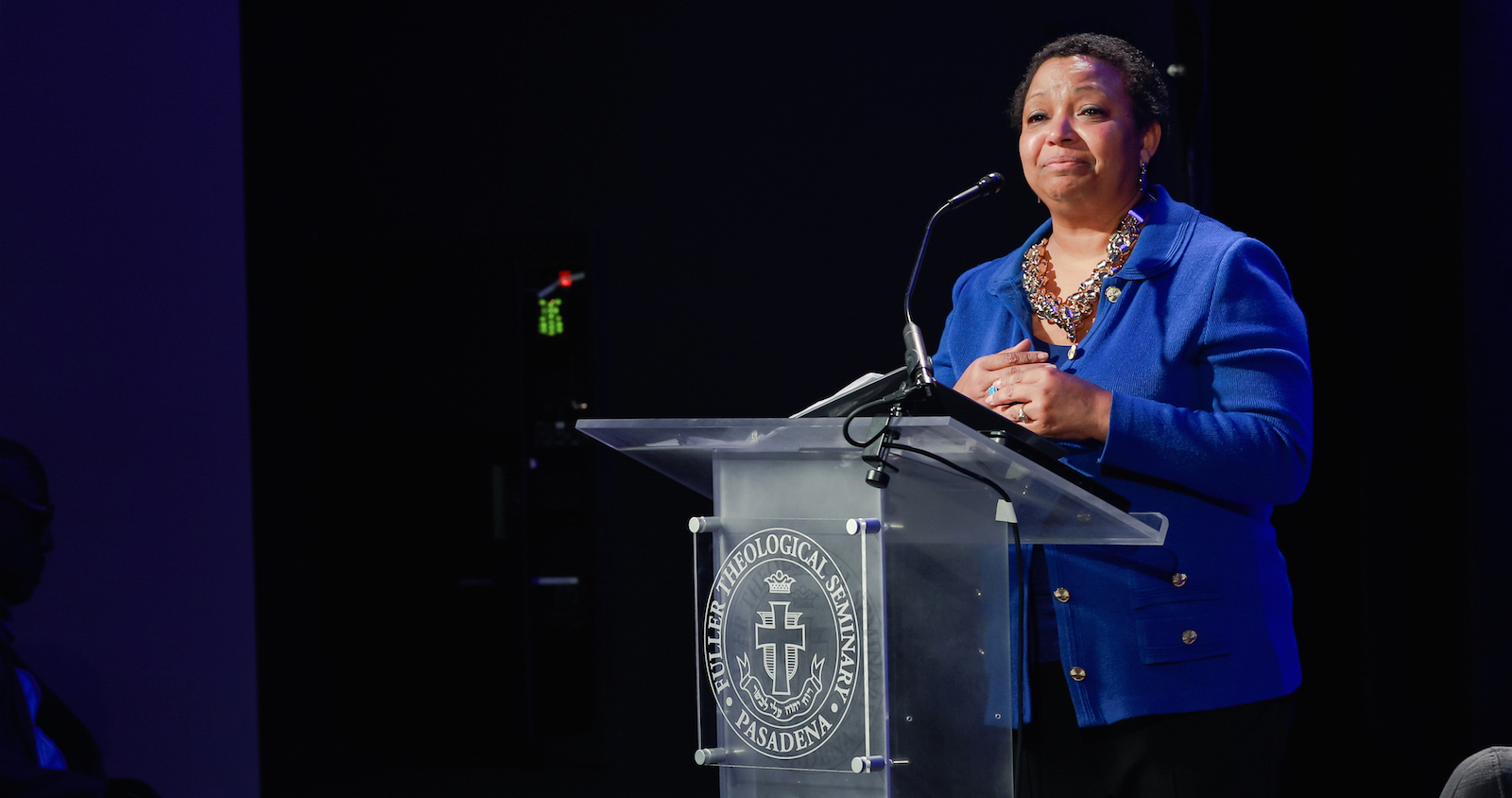
Love Sechrest, associate professor of New Testament, lectures on structural racism and lessons within Romans and Revelations for resisting empire.
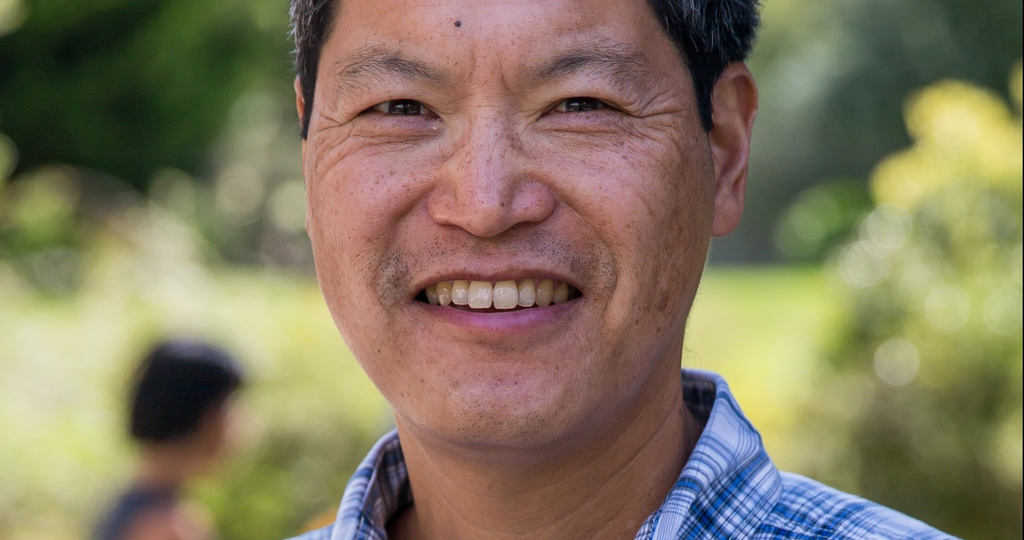
Russell Jeung, professor of Asian American studies at San Francisco State University, shares stories from his own family history to develop a lived theology of exile.
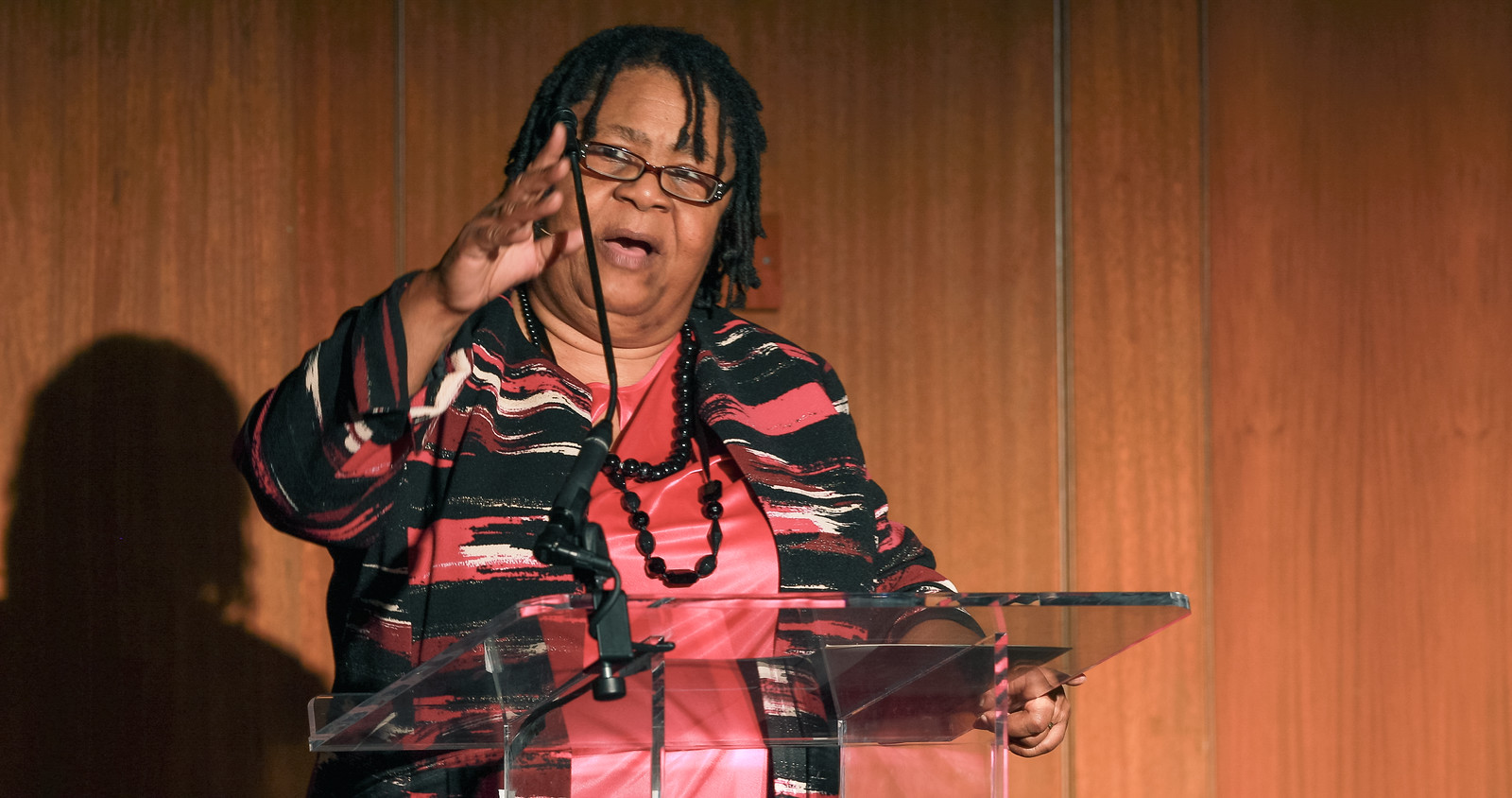
Estrelda Alexander, president of William Seymour College, lectures on the meaning of Martin Luther King’s life and examines how much of his dream has come true—and how much has still been deferred.
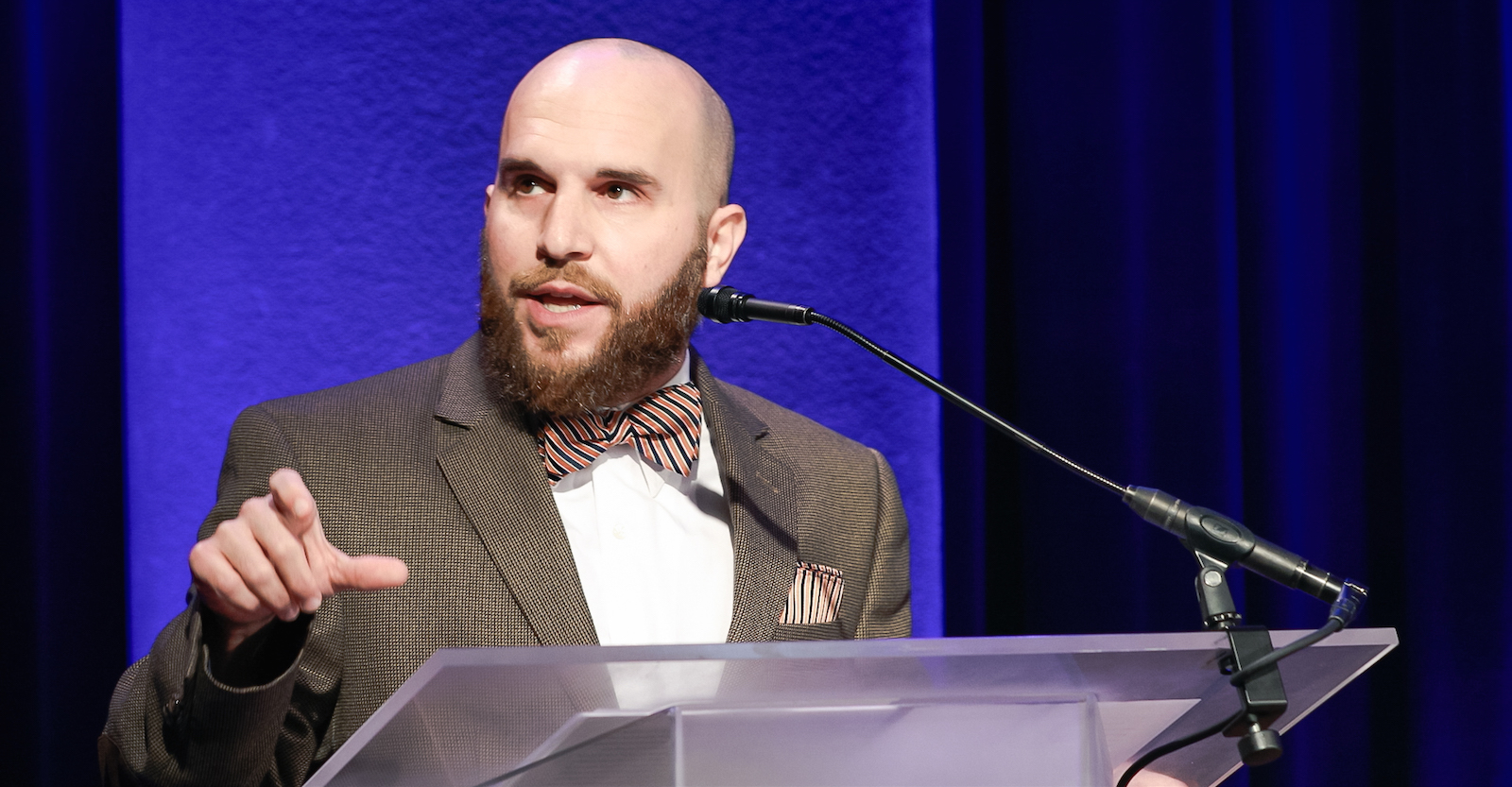
Andrew T. Draper, assistant professor of theology and director of the Honors Guild at Taylor University, explores the repentance necessary to de-center “whiteness”
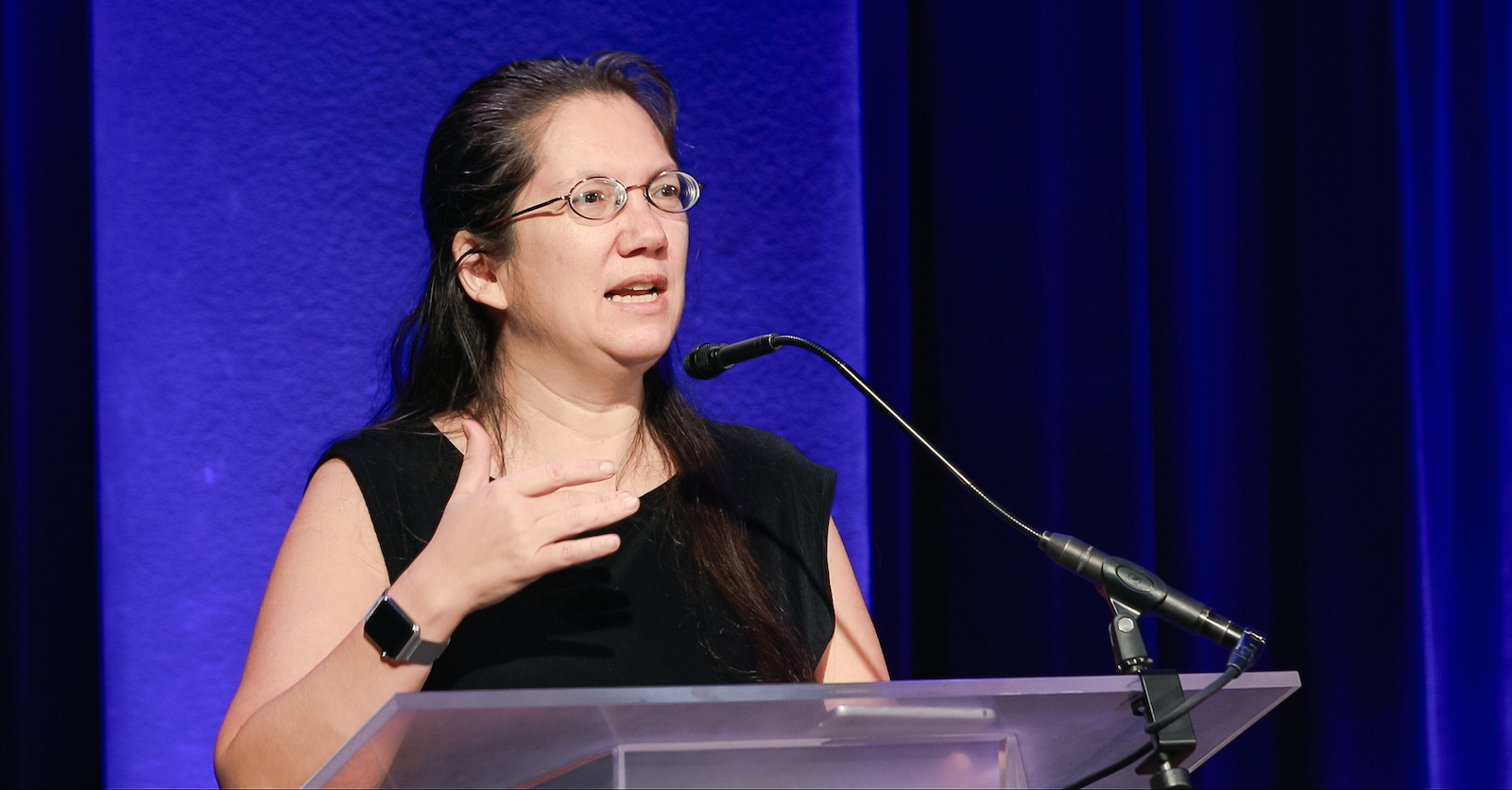
Andrea Smith, director of graduate studies in the Department of Ethnic Studies at the University of California at Riverside, offers an indigenous interpretation of race and mission.
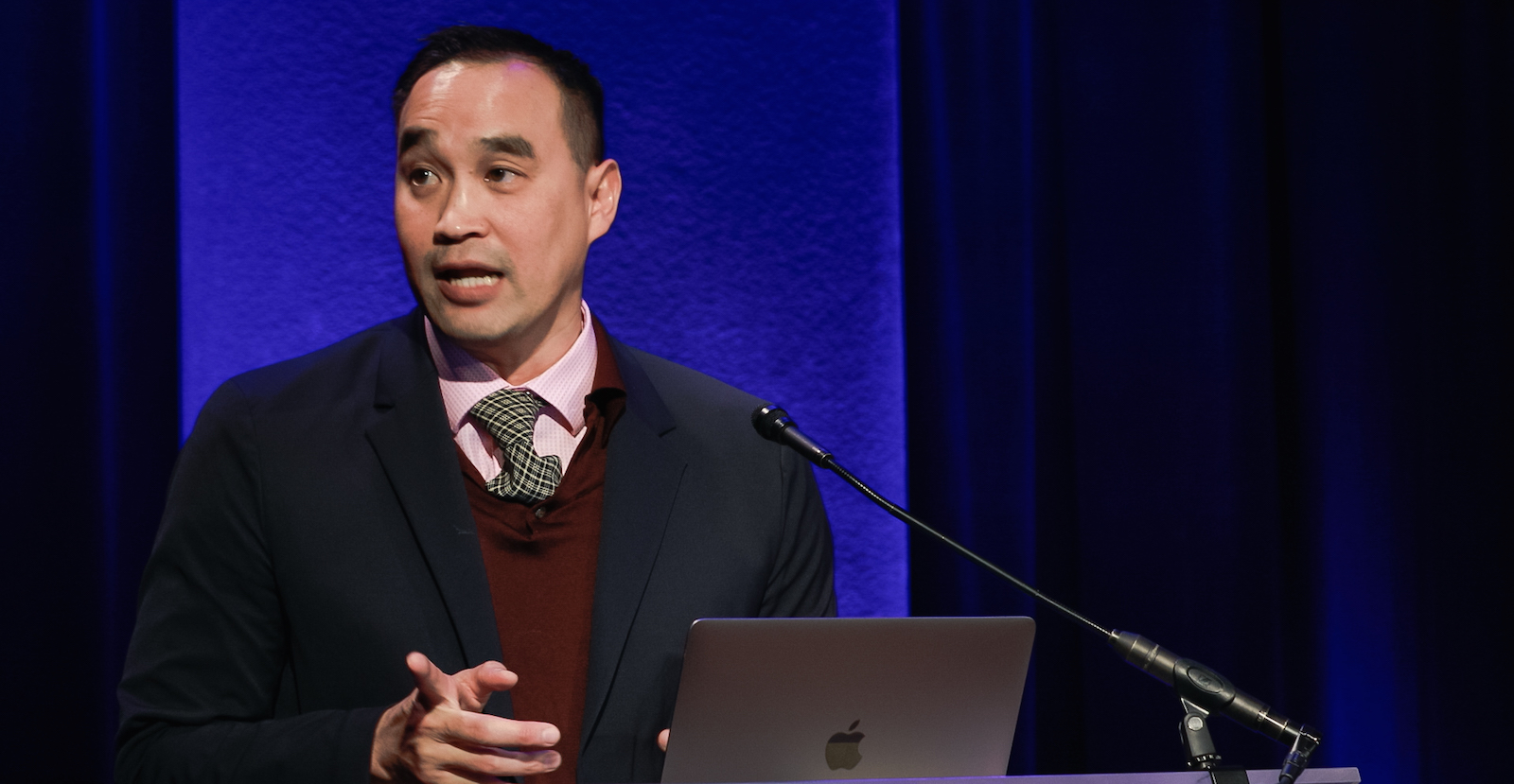
Jonathan Tran, associate professor of theology and ethics at Baylor University, discusses racism and the Asian American experience.
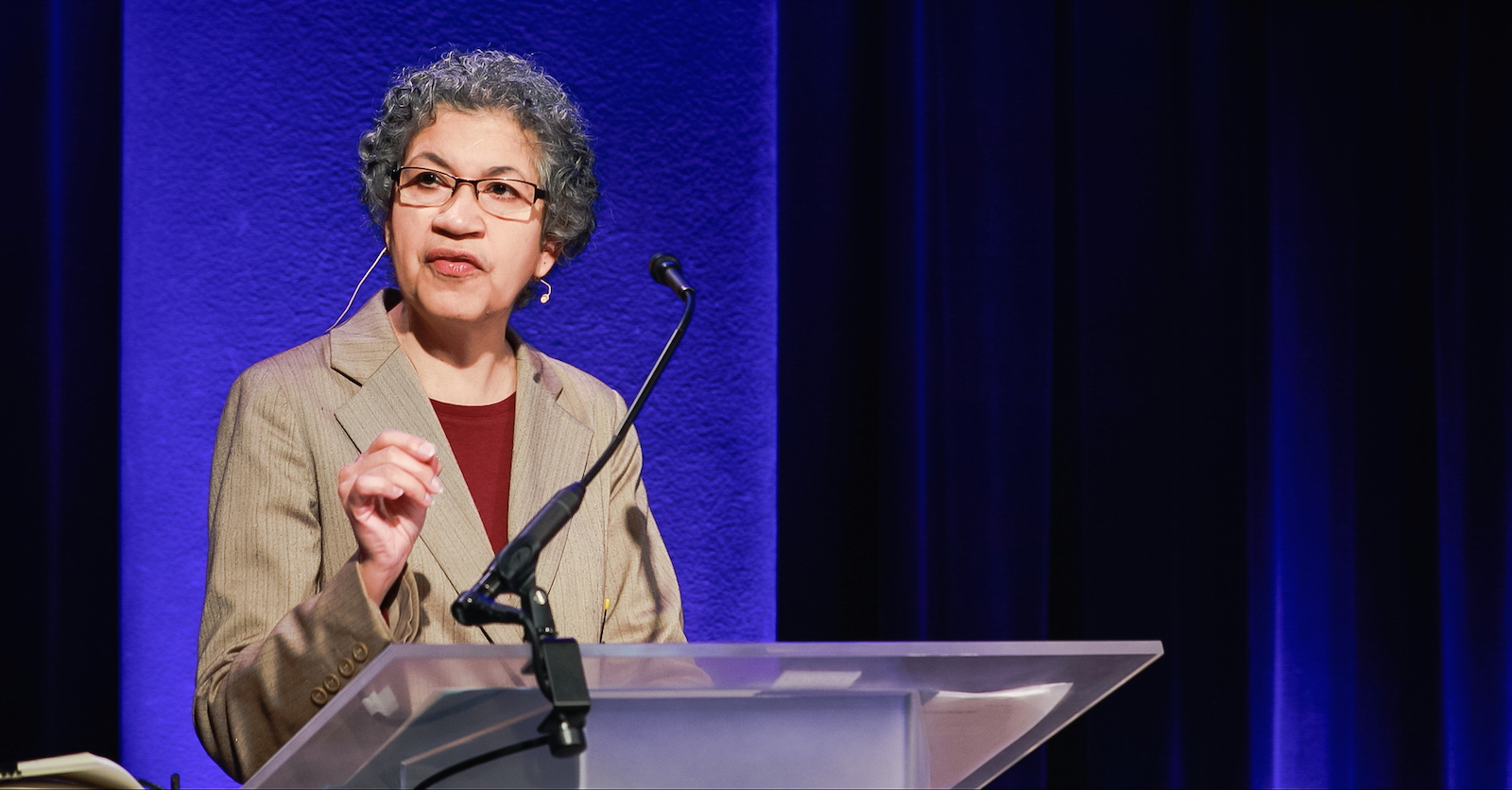
Elizabeth Conde-Frazier, academic dean and vice president of education at Esperanza College of Eastern University, lectures on broken praxis, racism, and theological education.
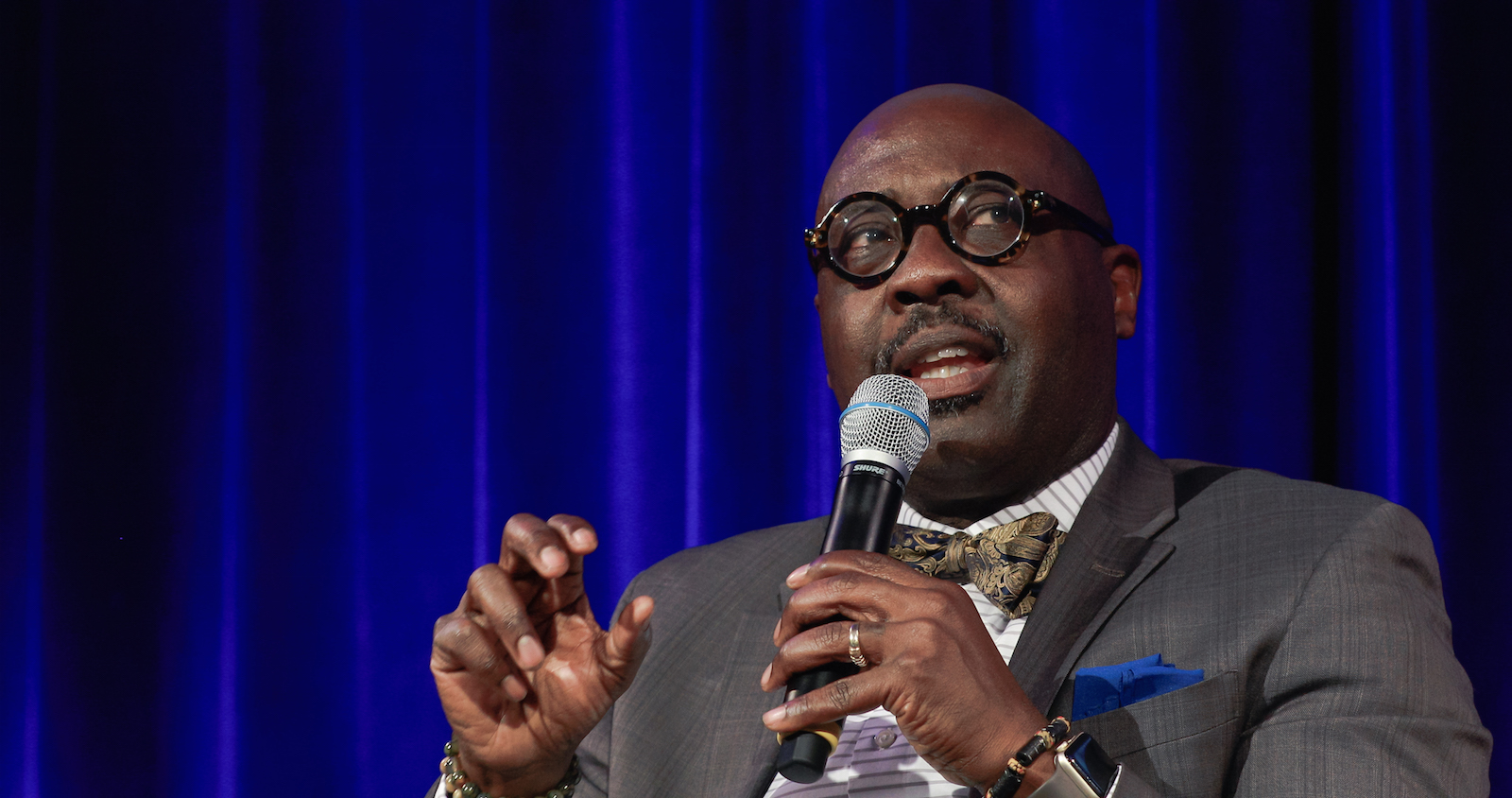
Willie Jennings, associate professor of systematic theology and Africana studies at Yale Divinity School, discusses “whiteness,” geography, and theology.
Nancey Murphy, senior professor of Christian philosophy, reflects on the coexistence of faith and science and why it matters for the church today.
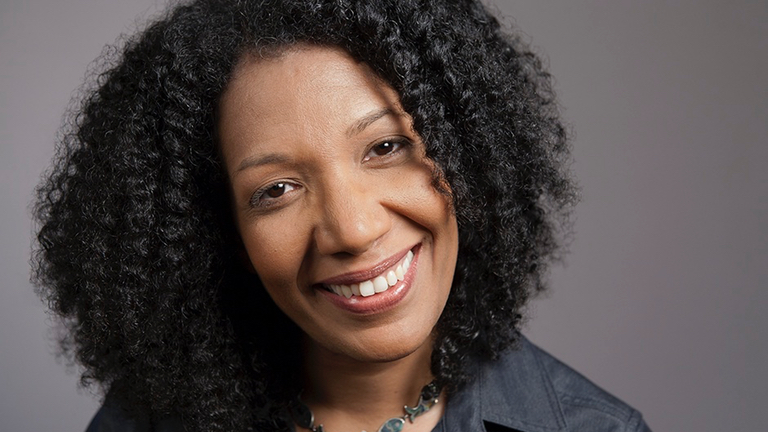
Lisa Sharon Harper, chief church engagement officer for Sojourners, lectures on political context of Genesis and the gospels, a theology of shalom, and the kingdom of God.
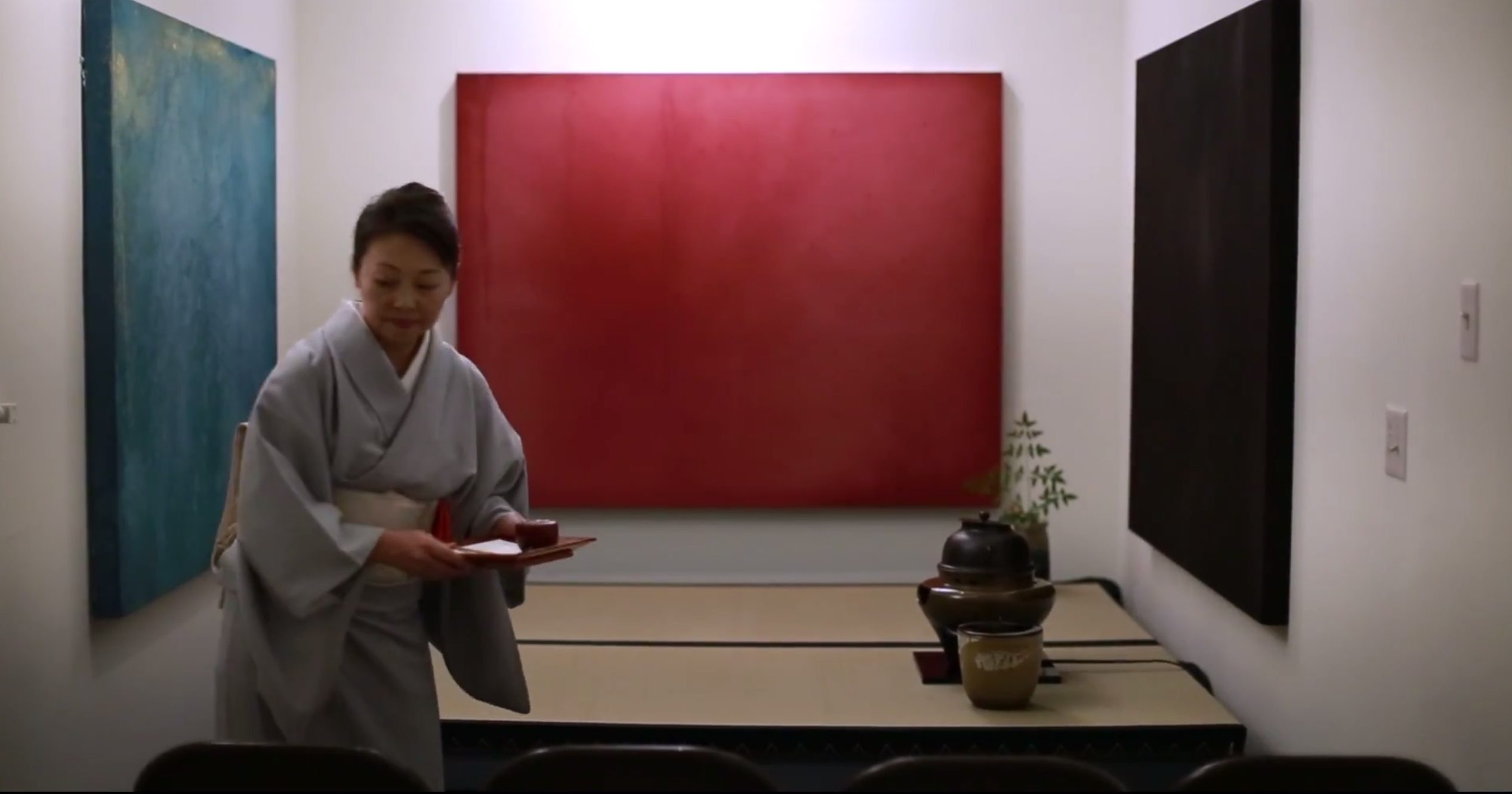
Keiko Yanaka, of Omotesenke School of Japanese Tea Ceremony, and Mako Fujimura, director of the Brehm Center for Worship, Theology, and the Arts, discuss tea ceremonies and communion.
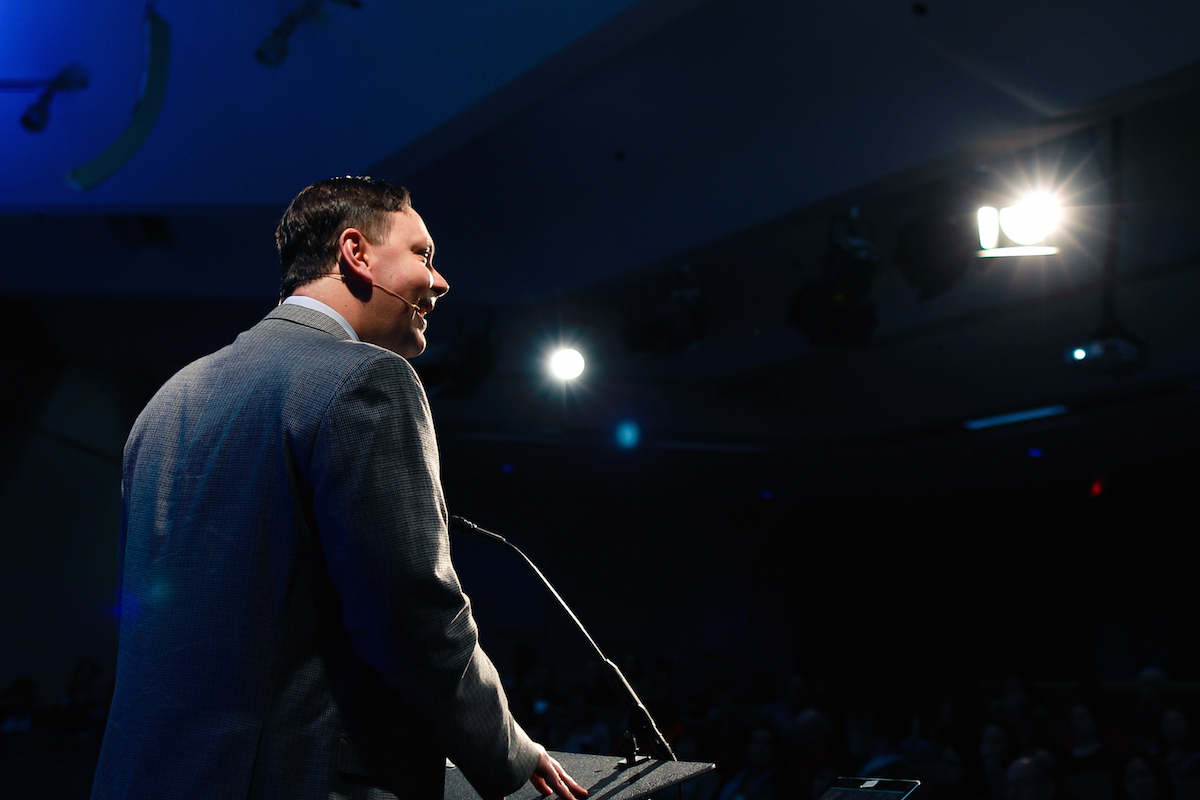
Steven Sandage lectures on Trinitarian theology and human relationships, how therapy can create crucibles for transformation, and the importance of being present with people in the midst of their pain.
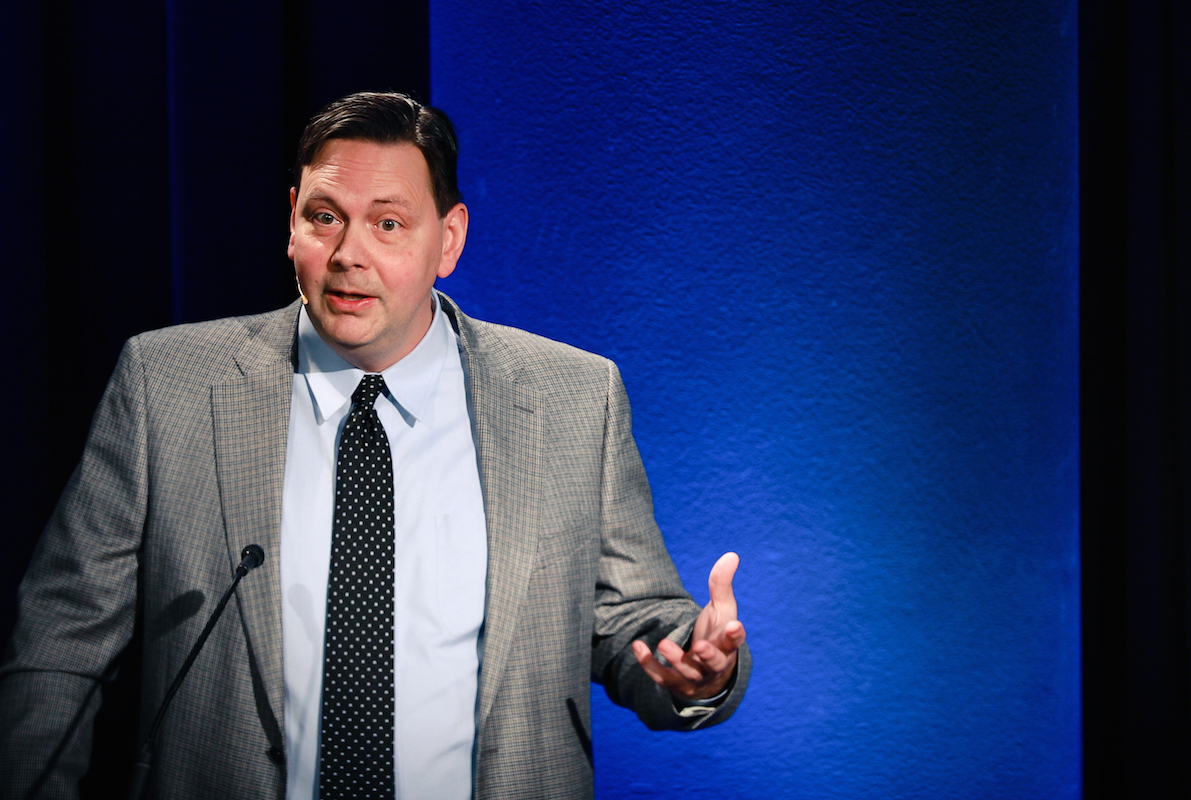
Steven Sandage lectures on the complex relationships among theology, racism and social hierarchies, and the capacity to empathize with the Other.
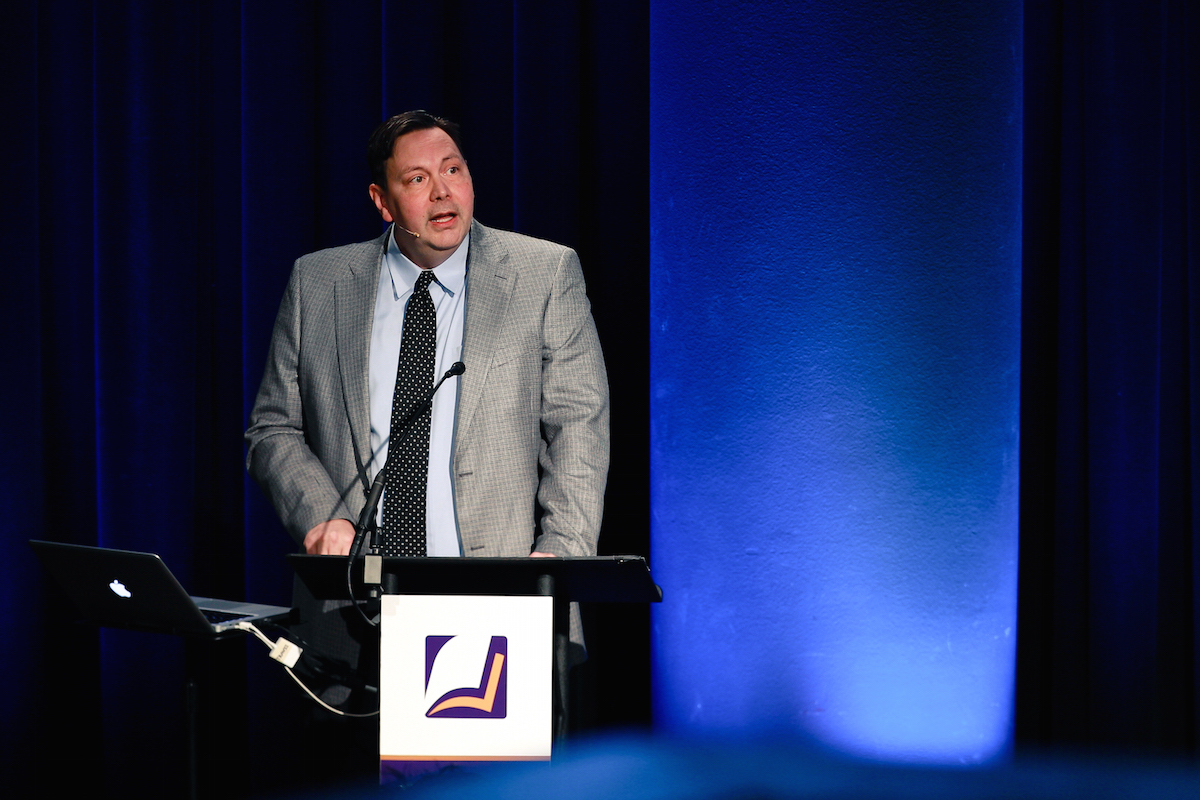
Steven Sandage reflects on the integration of psychology and theology and applies it to theories of spirituality, power, differentiation.
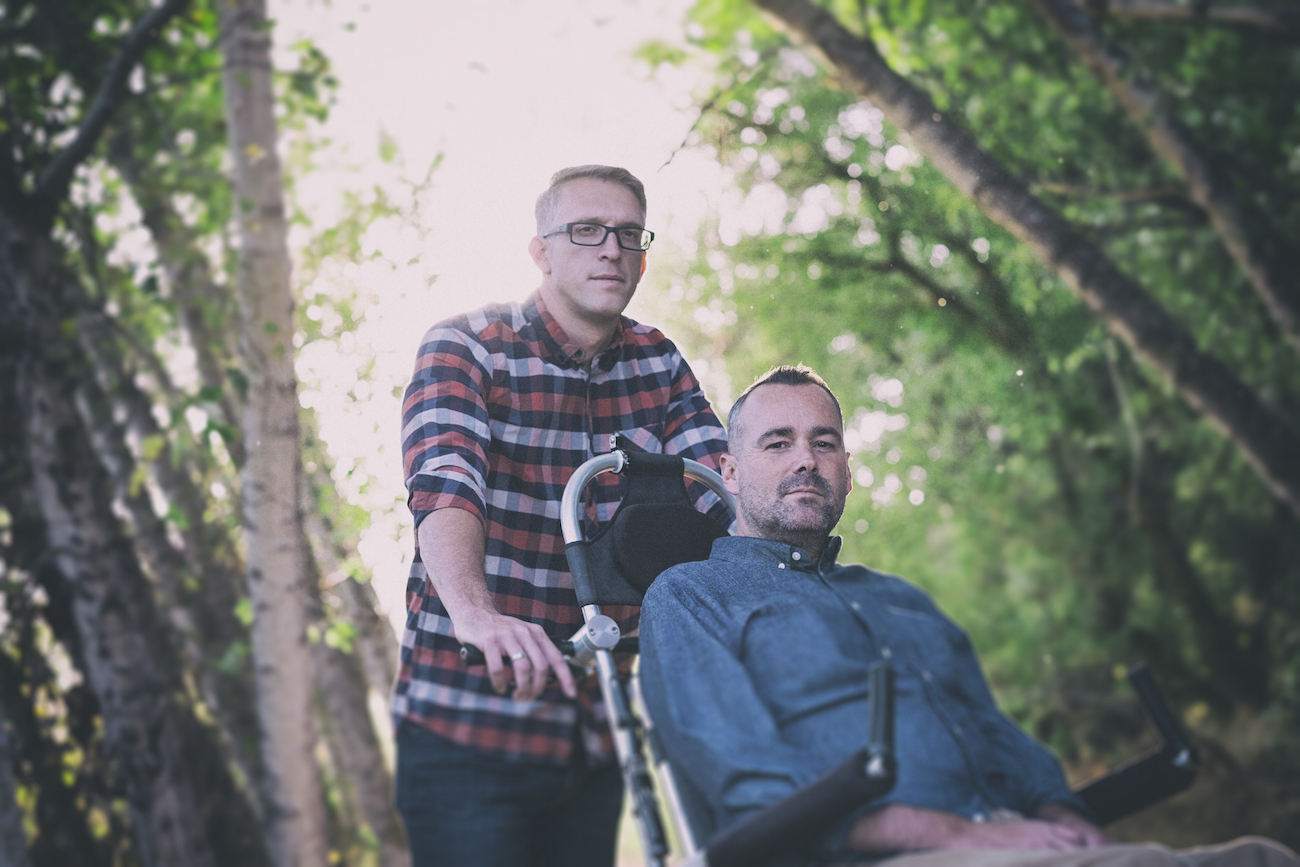
Bethany McKinney Fox, director of Student Services, and the filmmakers and subjects of I’ll Push You discuss lessons from a 500-mile pilgrimage.
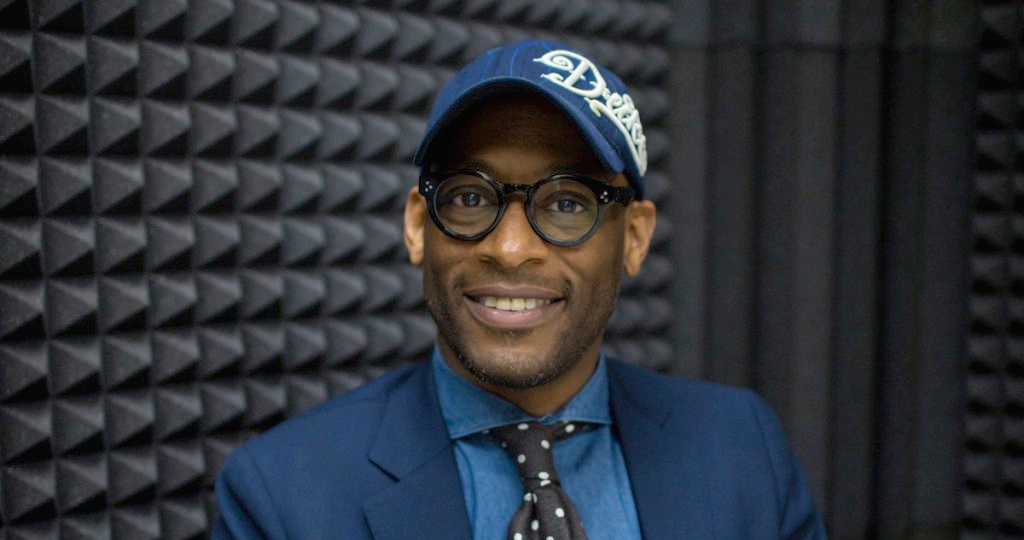
J. Kameron Carter explores a new language to discuss the complexities of whiteness, theology, and post-racial politics.
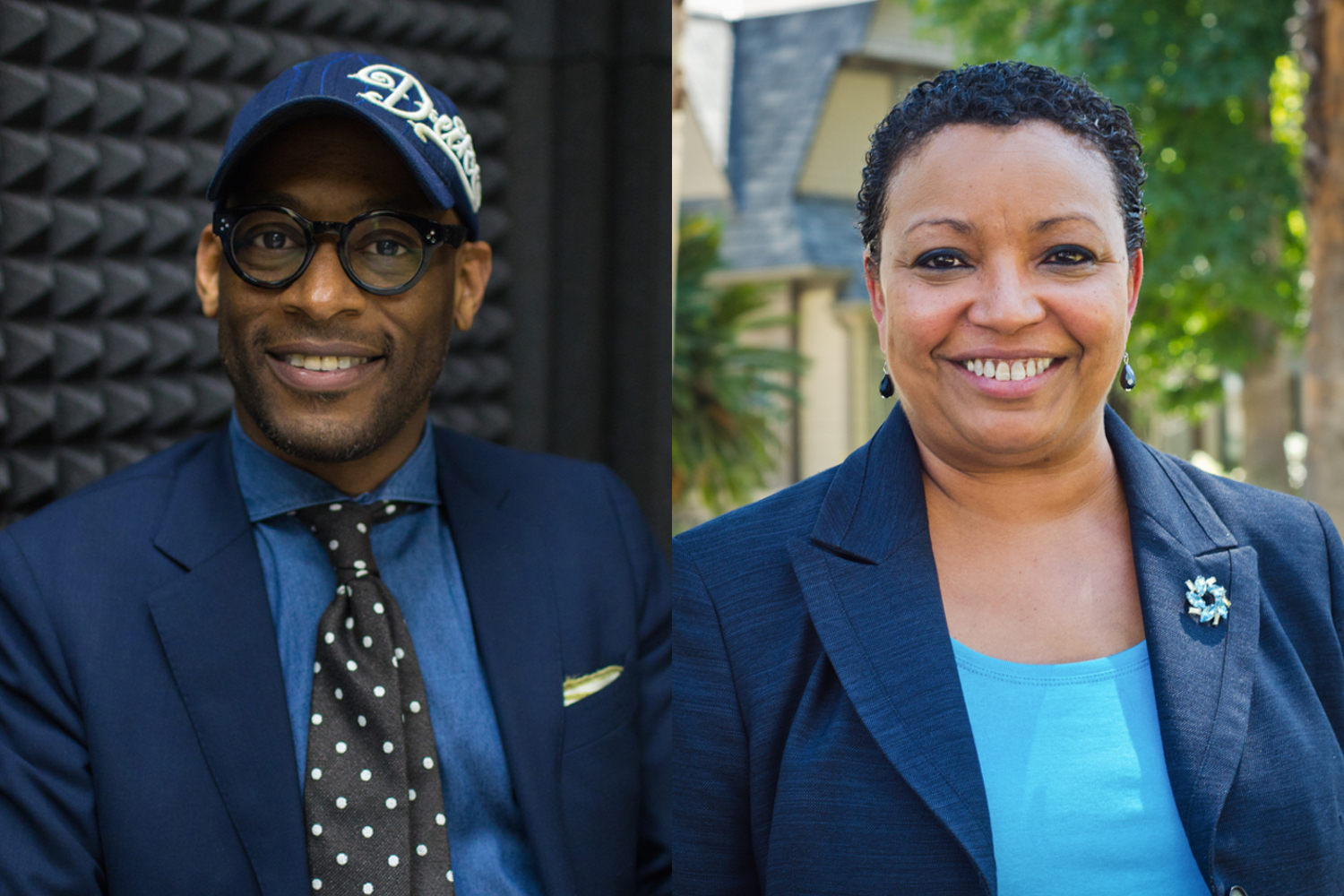
Love Sechrest and J. Kameron Carter have a conversation on race, discussing the language of possession, racial capitalism, and more.
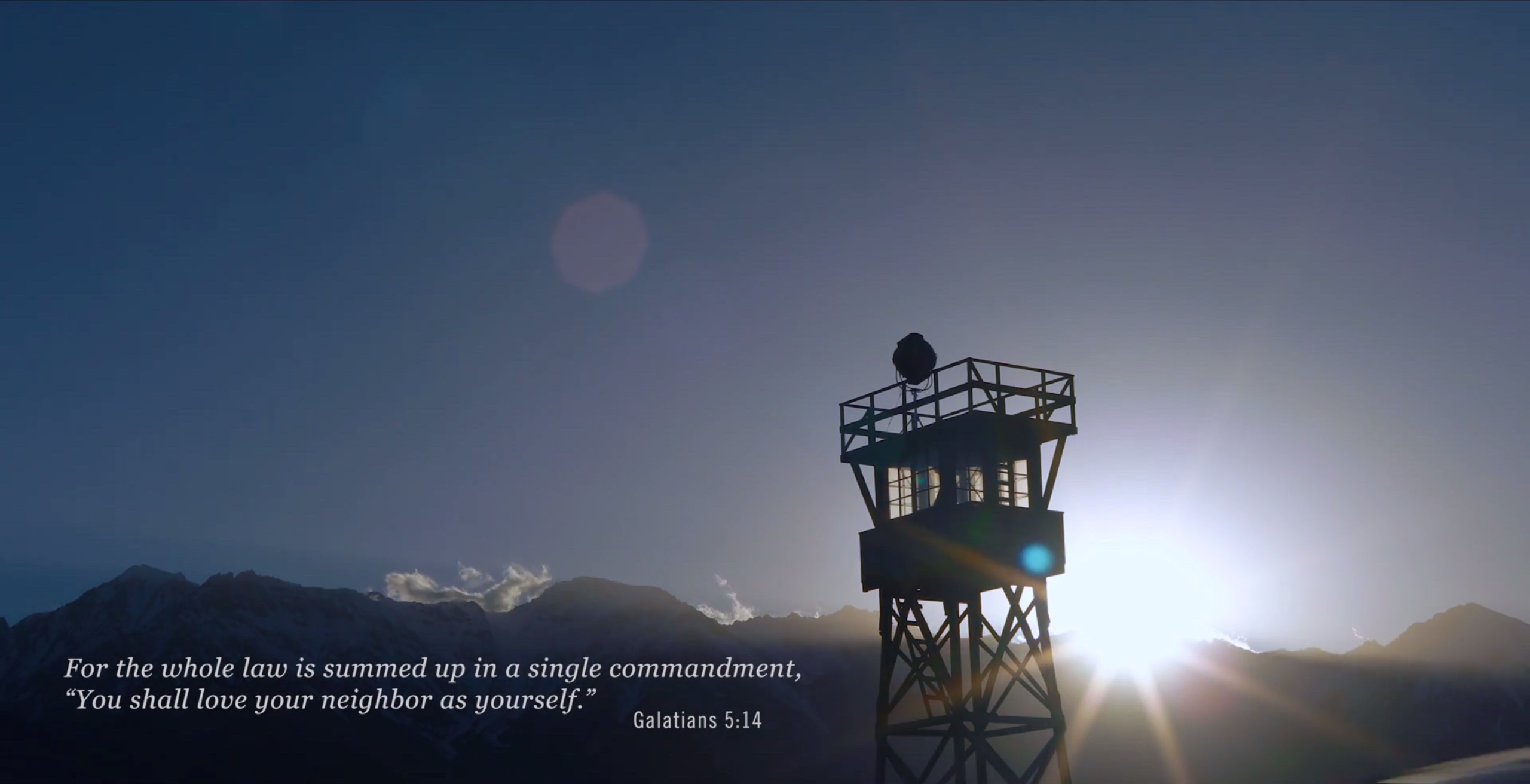
Neighbor explores loving our neighbors through the act of storytelling, pilgrimage, painful cultural histories, and more.
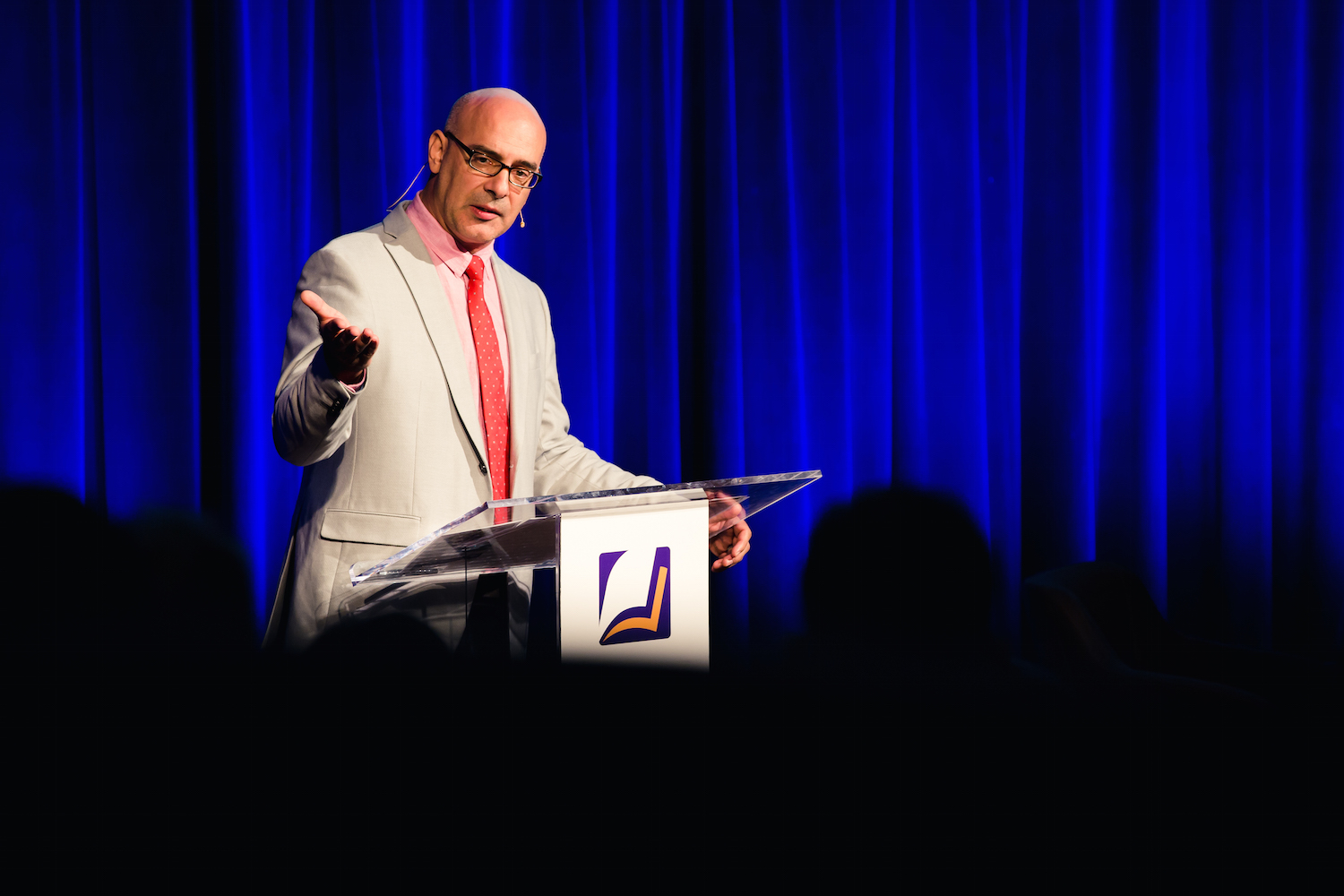
Martin Accad, the director of the Institute of Middle East Studies at the Arab Baptist Theological Seminary, lectures on the complex interplay among Islam, globalization, and social media.
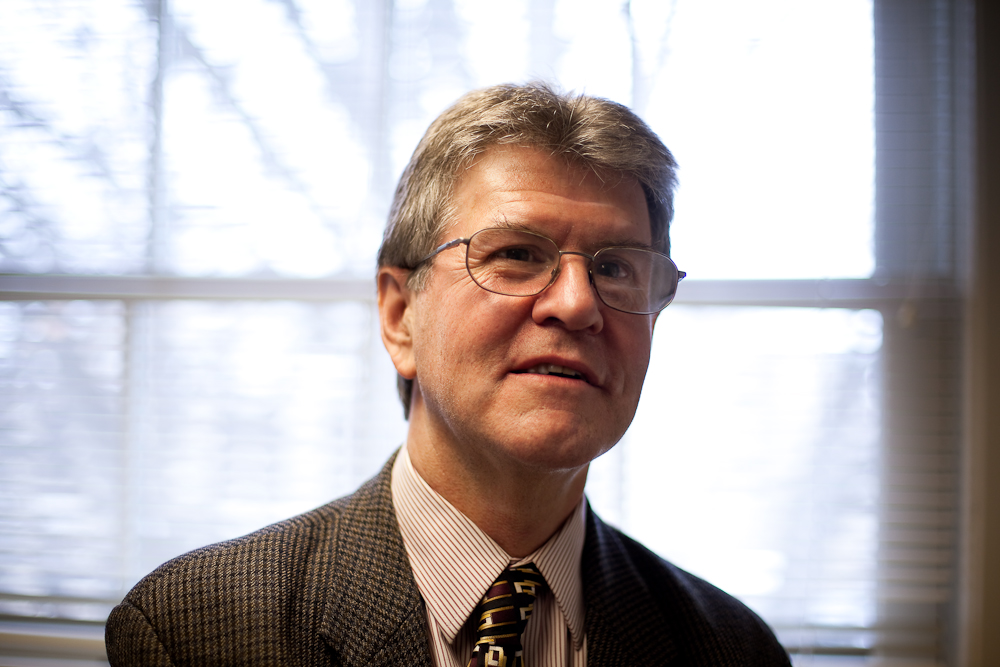
Philip Jenkins, Distinguished Professor of History at the Institute for Studies of Religion at Baylor University, lectures on Islam and globalization.
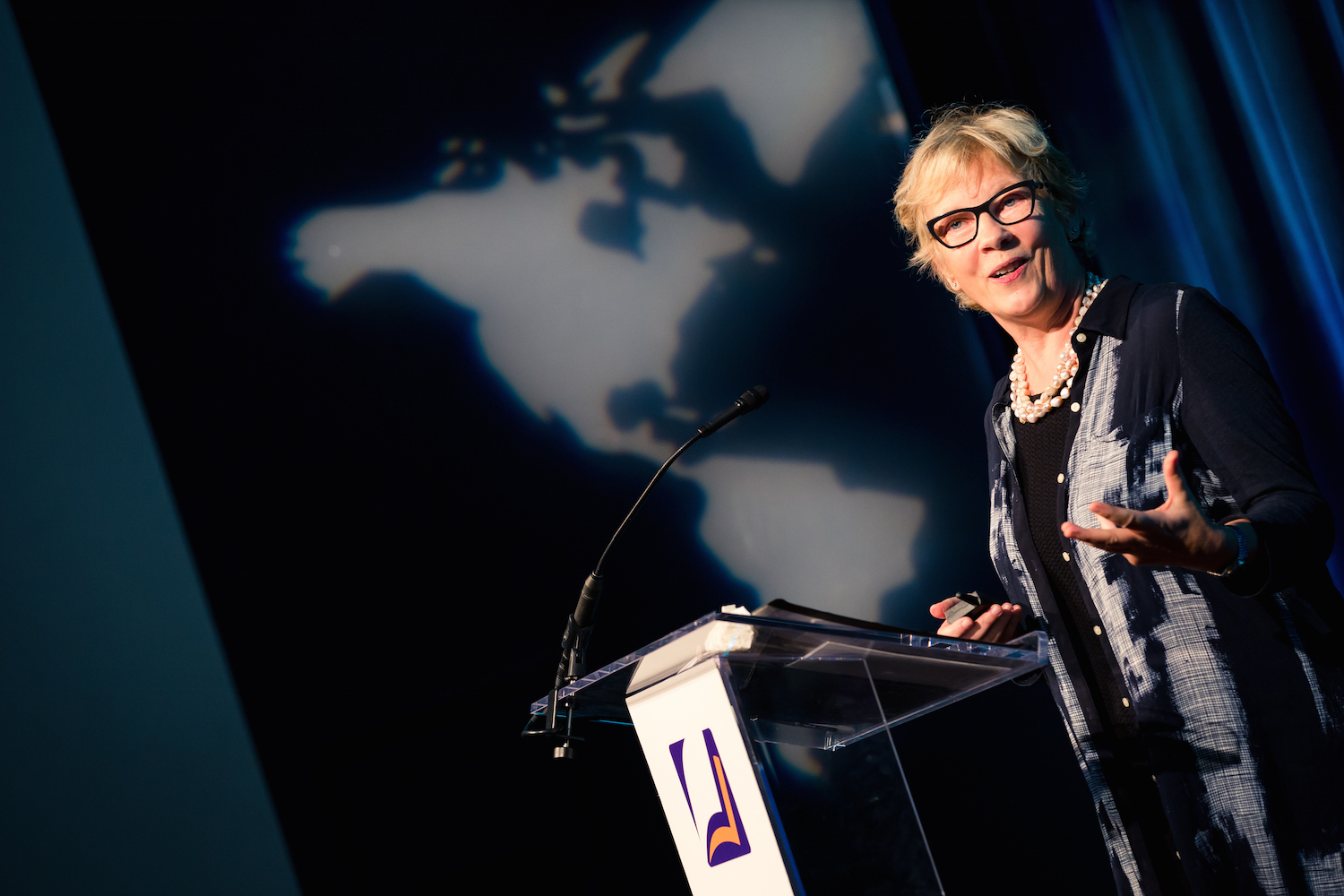
Evelyne A. Reisacher, associate professor of Islamic studies and intercultural relations, lectures on the the diverse and complex lives of Muslim neighbors.
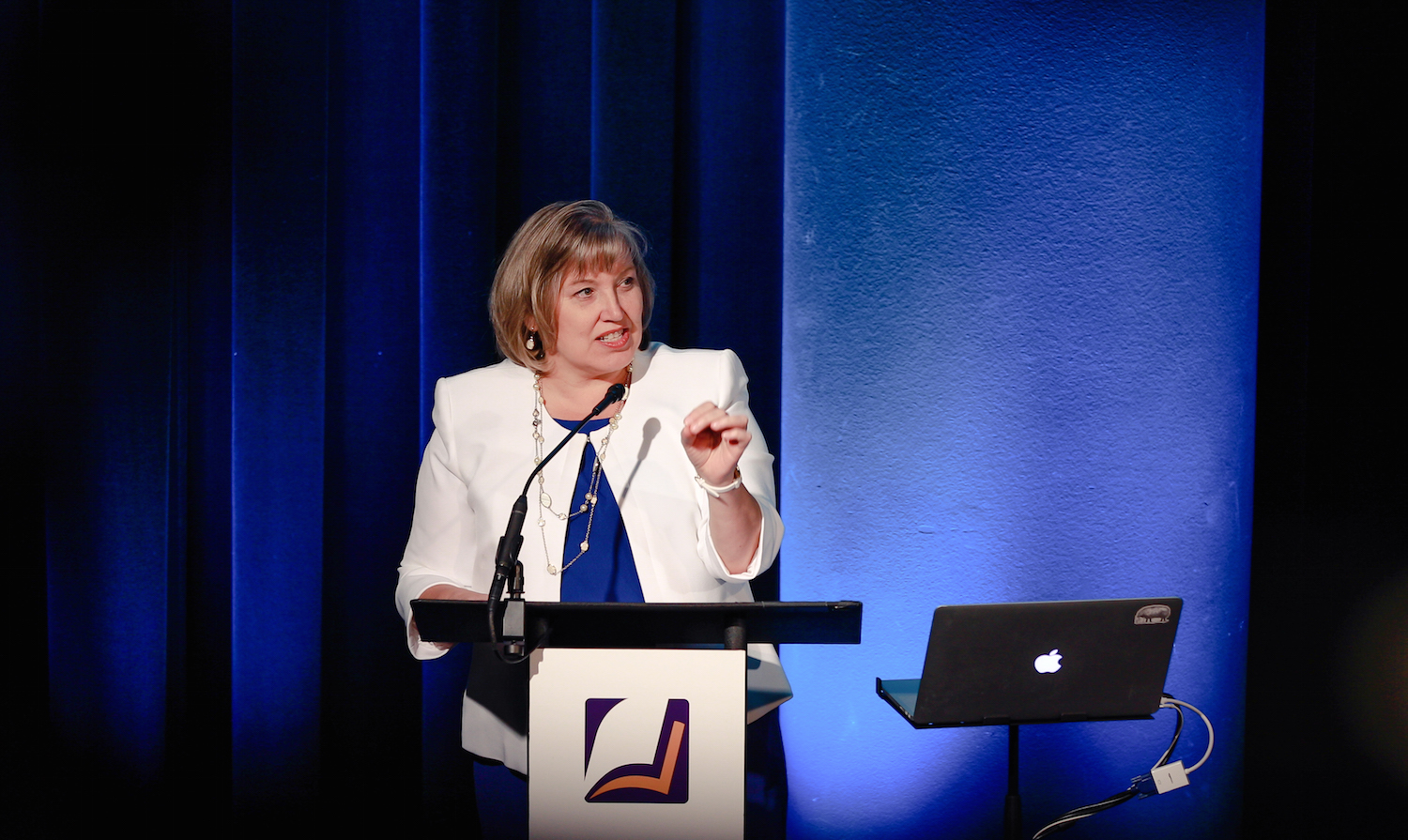
Kenda Creasy Dean, Mary D. Synnott Professor of Youth, Church, and Culture at Princeton Theological Seminary, explores discipleship and the church’s role as incubator for the visions of young people.
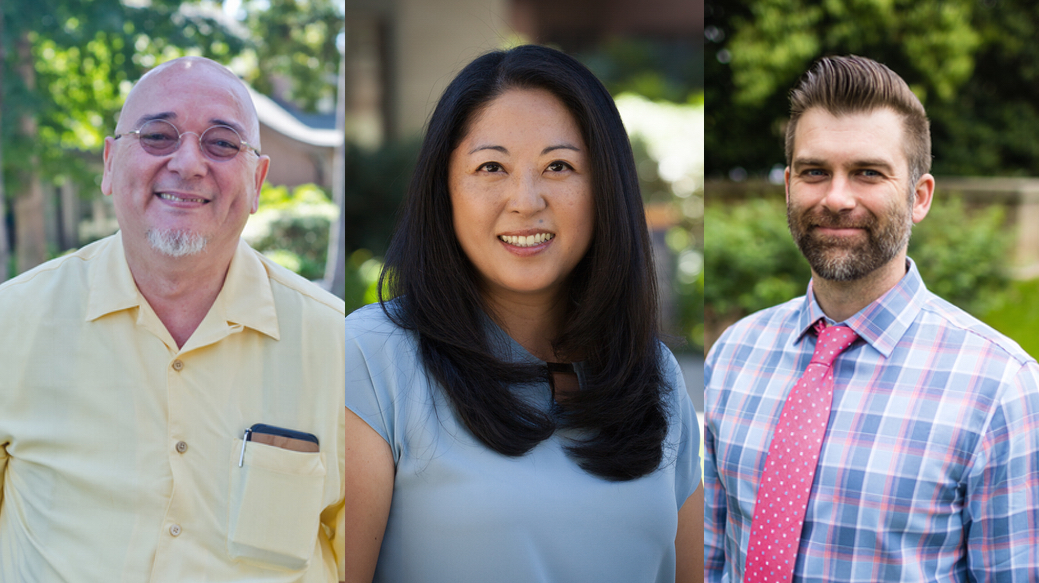
Three Fuller faculty members lecture on theology and chronic pain, the struggle of self-love, and the generative qualities of the Sabbath.
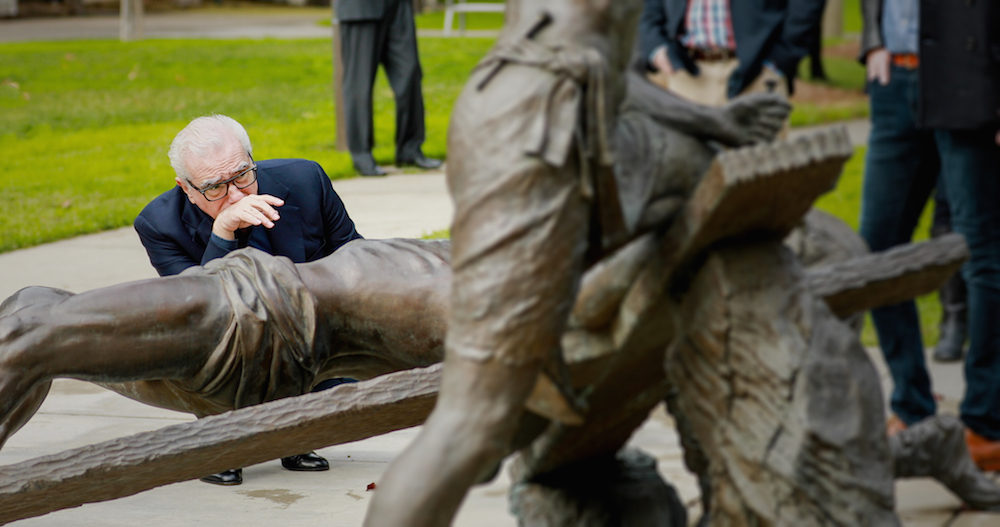
Academy Award Winning Director Martin Scorsese reflects on “Silence” and religious influences on his films.
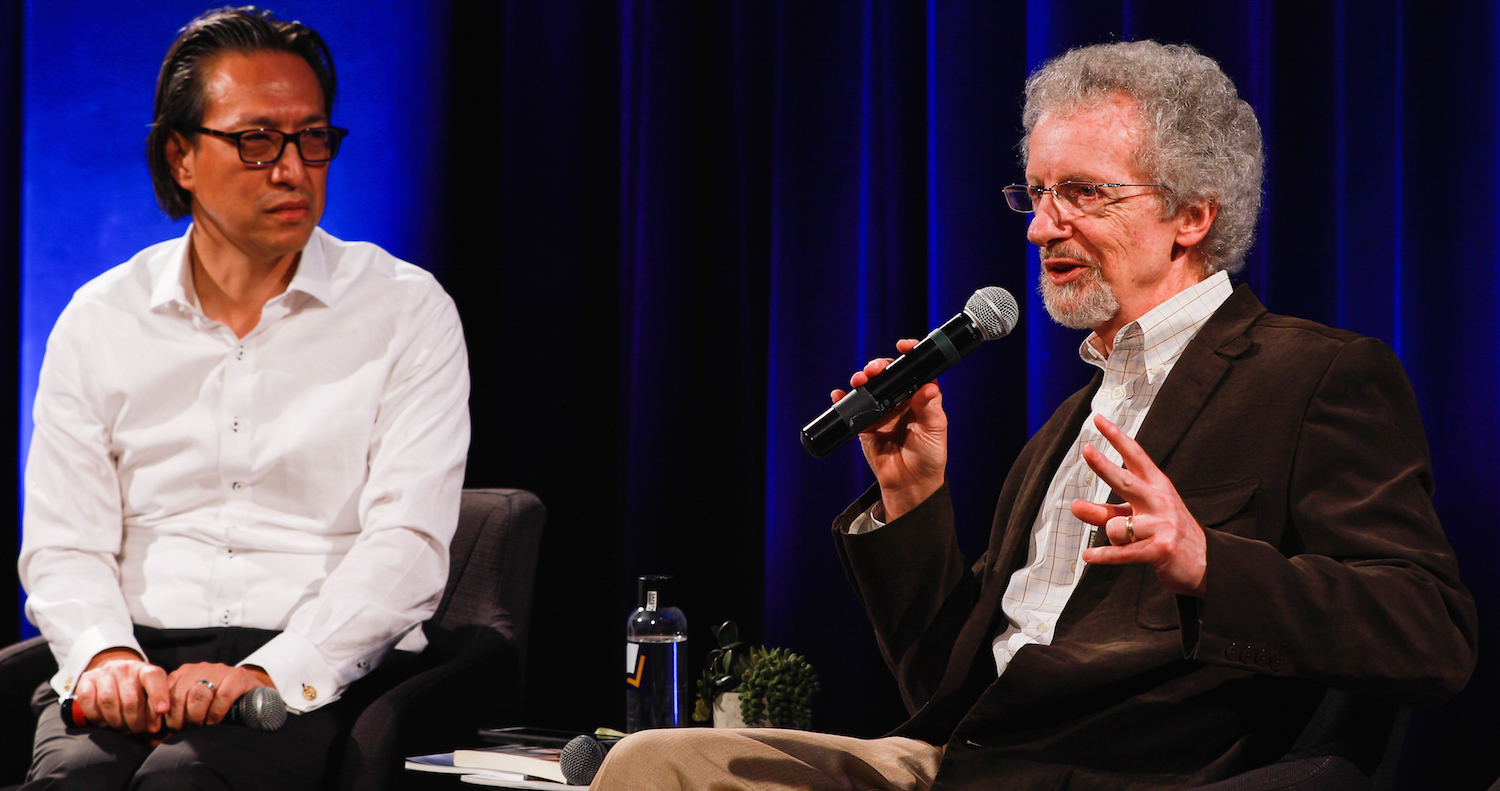
Celebrated author Philip Yancey discusses Shūsaku Endo’s novel “Silence” and the role of art and faith to respond gracefully to cultural trauma and suffering in the world.
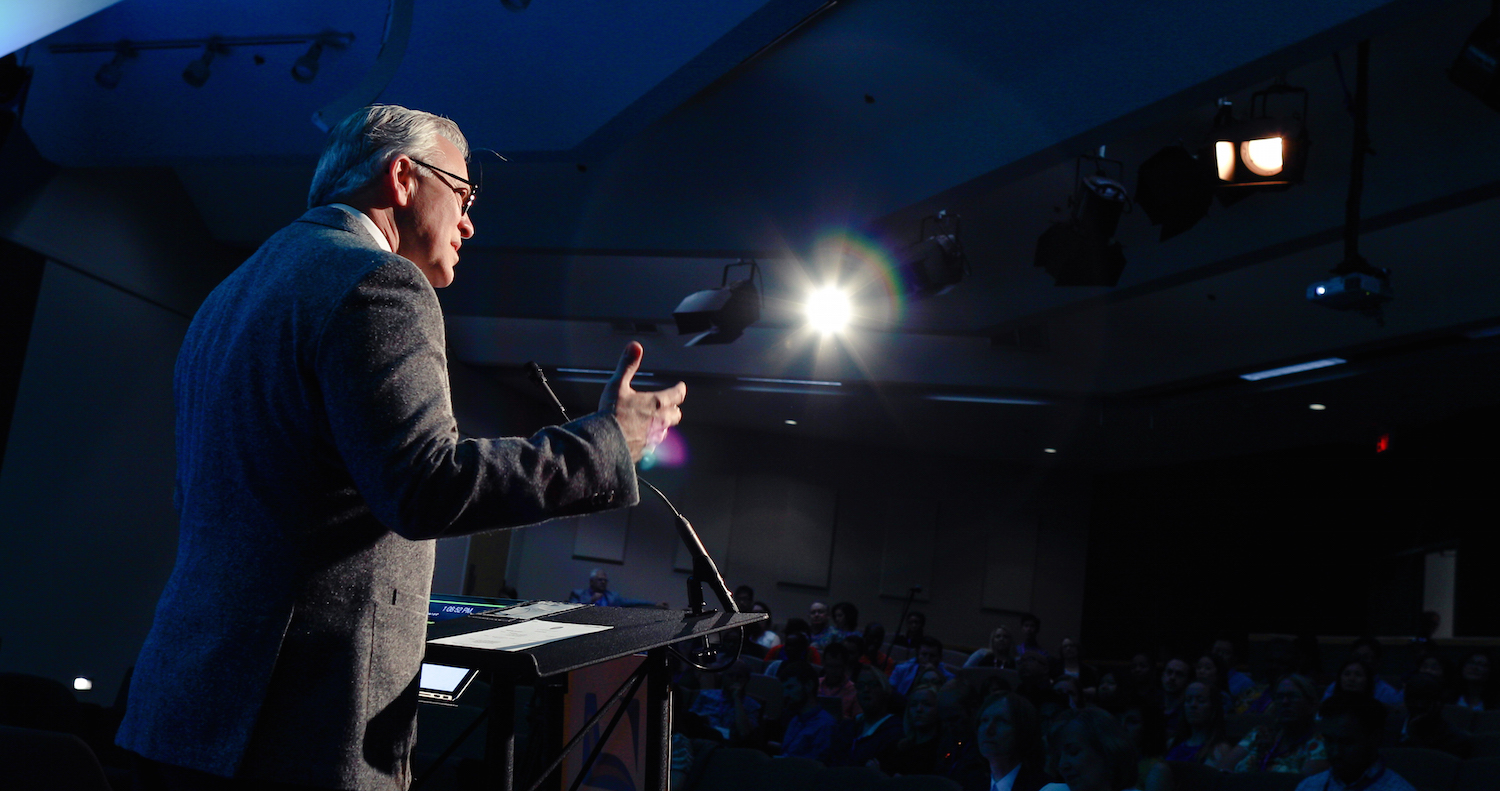
Mark Labberton, president of Fuller Seminary, reflects on the themes of exile in Scripture and what it means to live a “faithful exilic life” in a culture shaped by fear and violence.
It is Fuller’s practice to allow conversations with our guests to be uncensored as a gesture of engagement in civil dialogue—a value to which Fuller Theological Seminary is deeply committed. We invite you to listen with hospitality, realizing that guests reflect their own views and not necessarily views in harmony with the stated mission of Fuller.