The only problem these people have is that they have too much money. It’s a considerable problem. All that money is insulating them from love. “Love,” here, is a feeling of care and connection shared by at least two people, not “love” the tennis term where you haven’t scored. These people score a lot, both on the court and in the bedroom. Challengers is about young tennis players involved in a tempestuous love triangle but it’s also about young people of astounding wealth and privilege desperate to feel love.
Again, the money is the problem. These people wouldn’t even call it “money.” They’d say “access to capital.” They’ve left the world of worrying about money and entered the world that is money. They struggle only because they choose to. Ergo, tennis, a way to strive again.
Tashi (Zendaya) excelled in the sport at such a young, beautiful age, she vaulted into the world of wealth via endorsements, foundations, and branding. Clear-eyed, perhaps because of her more ordinary upbringing, she sees that sport might be the only open path to genuine relationship. She thinks that when two players are fully engaged in their match and volleying as one, that’s the only real connection available to them. The boys (Mike Feist and Jack O’Conner) don’t understand this. They learn. For a film marketed as a steamy love triangle, there isn’t much sex in Challengers, but there’s a lot of tennis.
This is sport as an aesthetic experience more than an athletic one. The film insists on this. Ross and Reznor’s score and Sayombhu Mukdeeprom’s cinematography are especially effective. If you’ve ever wondered what it’s like to be a tennis ball, this is the movie for you. Ross and Reznor’s score is built of thick club beats. It comes on strong whenever the characters’ blood starts pumping.
I enjoy formal audacity in movies. Challengers has nerve. It gives us the sport as an allegory for love, an intense physical, emotional, and psychological relationship between two people so riddled with the trappings of our economic reality, genuine connection becomes almost impossible. The movie’s formal brashness tries to shake us out of treating this film like only the compromised consumer product is also is. Don’t let Zendaya’s Instagram feed distract you from what really matters in life, Zendaya, who produced in addition to starring in this film, this film, which was financed and is being distributed by the largest online retailer in the world, Amazon, might be saying.
Of course money insulates you from love. Why be patient when you can just buy it now? Why be kind when you can tip big? Wealth and envy walk hand in hand. Money eggs on ego. Capital is consumed with debts owed. Money is greedy for ways to slink, hole-up, and hide. Wealth is its own absolute, its own standard of truth. Capital exploits, makes wary, hedges, is capricious, fickle, and shallow. Here today, gone tomorrow, money fails. You cannot serve both God and money. God is love, and when you make money your god you buffer yourself from love.
Broadly, Luca Guadagnino’s movies are all about how our culture of consumption, in which we are encouraged to consume and to grow larger in our ability to consume, prevents us from being consumed by something or someone else. To be consumed, caught up, transported in a transcendent experience is the aim of his characters. Life is numb; they long for ecstasy. They find it, often fleetingly, but it’s worth whatever it costs to get there. Love is something, maybe the only thing, money cannot buy.
The only problem these people have is that they have too much money. It’s a considerable problem. All that money is insulating them from love. “Love,” here, is a feeling of care and connection shared by at least two people, not “love” the tennis term where you haven’t scored. These people score a lot, both on the court and in the bedroom. Challengers is about young tennis players involved in a tempestuous love triangle but it’s also about young people of astounding wealth and privilege desperate to feel love.
Again, the money is the problem. These people wouldn’t even call it “money.” They’d say “access to capital.” They’ve left the world of worrying about money and entered the world that is money. They struggle only because they choose to. Ergo, tennis, a way to strive again.
Tashi (Zendaya) excelled in the sport at such a young, beautiful age, she vaulted into the world of wealth via endorsements, foundations, and branding. Clear-eyed, perhaps because of her more ordinary upbringing, she sees that sport might be the only open path to genuine relationship. She thinks that when two players are fully engaged in their match and volleying as one, that’s the only real connection available to them. The boys (Mike Feist and Jack O’Conner) don’t understand this. They learn. For a film marketed as a steamy love triangle, there isn’t much sex in Challengers, but there’s a lot of tennis.
This is sport as an aesthetic experience more than an athletic one. The film insists on this. Ross and Reznor’s score and Sayombhu Mukdeeprom’s cinematography are especially effective. If you’ve ever wondered what it’s like to be a tennis ball, this is the movie for you. Ross and Reznor’s score is built of thick club beats. It comes on strong whenever the characters’ blood starts pumping.
I enjoy formal audacity in movies. Challengers has nerve. It gives us the sport as an allegory for love, an intense physical, emotional, and psychological relationship between two people so riddled with the trappings of our economic reality, genuine connection becomes almost impossible. The movie’s formal brashness tries to shake us out of treating this film like only the compromised consumer product is also is. Don’t let Zendaya’s Instagram feed distract you from what really matters in life, Zendaya, who produced in addition to starring in this film, this film, which was financed and is being distributed by the largest online retailer in the world, Amazon, might be saying.
Of course money insulates you from love. Why be patient when you can just buy it now? Why be kind when you can tip big? Wealth and envy walk hand in hand. Money eggs on ego. Capital is consumed with debts owed. Money is greedy for ways to slink, hole-up, and hide. Wealth is its own absolute, its own standard of truth. Capital exploits, makes wary, hedges, is capricious, fickle, and shallow. Here today, gone tomorrow, money fails. You cannot serve both God and money. God is love, and when you make money your god you buffer yourself from love.
Broadly, Luca Guadagnino’s movies are all about how our culture of consumption, in which we are encouraged to consume and to grow larger in our ability to consume, prevents us from being consumed by something or someone else. To be consumed, caught up, transported in a transcendent experience is the aim of his characters. Life is numb; they long for ecstasy. They find it, often fleetingly, but it’s worth whatever it costs to get there. Love is something, maybe the only thing, money cannot buy.

Elijah Davidson is Co-Director of Brehm Film and Senior Film Critic. Subscribe to Come & See, his weekly newsletter that guides you through the greatest films ever made, and find more of his work at elijahdavidson.com.
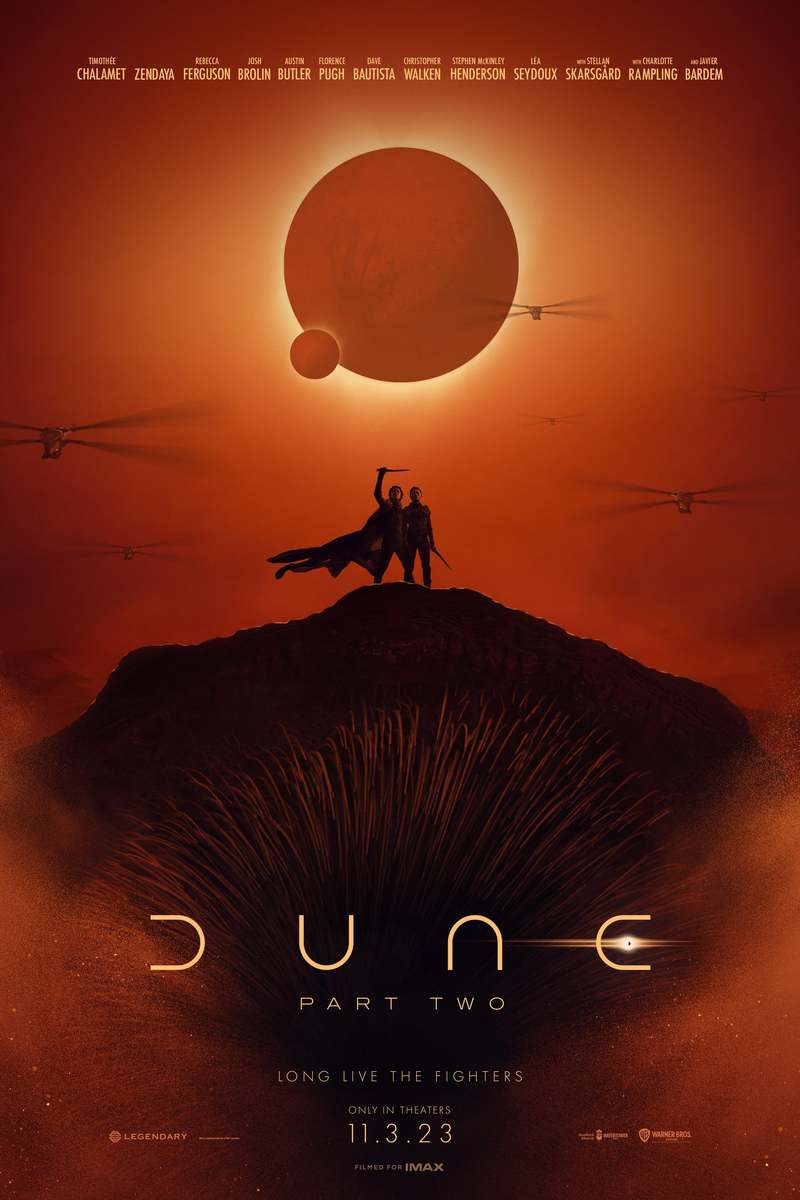
Like Fremen on the back of a worm, Dune: Part Two’s storytellers ride the story and beckon the audience to do the same.